admin

  • Tropical Meringues

    Tropical Meringues

    Tropical Meringues is a home-style sweet recipe with familiar ingredients and the kind of comforting finish that works well for family baking, sharing, or tea-time treats.

    If you enjoy this kind of recipe, you may also want to try our tropical banana loaf or chocolate cake recipe.

    Ingredients:

    • 4 egg whites
    • 1/2 cup sugar
    • 1/2 teaspoon cream of tartar
    • 1/2 teaspoon vanilla extract
    • 1/2 cup shredded coconut
    • 1/2 cup diced tropical fruit (such as mango, papaya, or pineapple)

    Directions:

    1. Preheat your oven to 300°F (150°C). Line a baking sheet with parchment paper.
    2. In a clean, dry bowl, beat the egg whites until they are foamy.
    3. Add the cream of tartar and continue beating until the egg whites form stiff peaks.
    4. Gradually add the sugar, beating well after each addition.
    5. Stir in the vanilla extract.
    6. Gently fold in the coconut and tropical fruit.
    7. Drop spoonfuls of the mixture onto the prepared baking sheet.
    8. Bake for 25-30 minutes, or until the meringues are crisp and lightly golden.
    9. Remove from the oven and allow the meringues to cool on the baking sheet.
    10. Serve the meringues as a sweet treat or use them to top a tropical fruit salad. Enjoy!

    Helpful Tips

    • Let the bake cool enough before slicing so the texture can settle.
    • A simple serving finish often works better than overcomplicating the dessert.
    • Store leftovers well so the texture stays fresh.

    FAQ

    Can I make this ahead of time?
    Yes. Many desserts like this hold up well when made ahead and cooled or stored properly.

    How should I serve it?
    Serve it in the style you prefer, whether plain, chilled, or with a simple topping.

    Can I keep leftovers?
    Yes. Store leftovers well covered and serve again once the texture has settled.

    Nutrition Facts (per serving)

    NutrientAmount per Serving
    Calories316 kcal
    Fat4.6 g
    Saturated Fat4 g
    Carbohydrates28.3 g
    Protein40.5 g
    Sodium668.8 mg
    Cholesterol8.5 mg
  • Rum Chocolate Cake

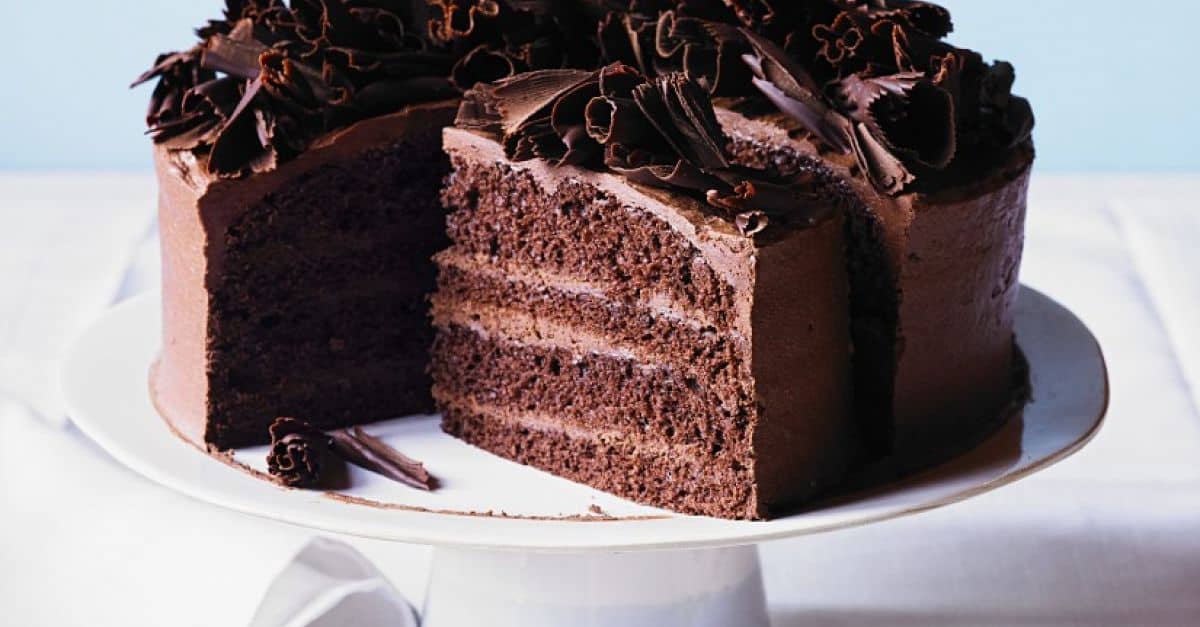
    Rum Chocolate Cake

    Rum Chocolate Cake is a home-style sweet recipe with familiar ingredients and the kind of comforting finish that works well for family baking, sharing, or tea-time treats.

    If you enjoy this kind of recipe, you may also want to try our tropical banana loaf or chocolate cake recipe.

    Ingredients:

    • 1 cup unsalted butter, softened
    • 1 cup granulated sugar
    • 4 large eggs
    • 1 cup all-purpose flour
    • 1/2 cup unsweetened cocoa powder
    • 1 tsp baking powder
    • 1/4 tsp salt
    • 1/2 cup milk
    • 1/2 cup dark rum
    • 1 tsp vanilla extract
    • 1 cup semisweet chocolate chips
    • 1/2 cup heavy cream

    Instructions:

    1. Preheat your oven to 350°F (180°C). Grease and flour a 9-inch round cake pan.
    2. In a large mixing bowl, beat the butter and sugar together until light and fluffy. Add the eggs one at a time, beating well after each addition.
    3. In a separate bowl, whisk together the flour, cocoa powder, baking powder, and salt. Add the dry ingredients to the butter mixture in three additions, alternating with the milk. Stir in the rum and vanilla extract.
    4. Pour the batter into the prepared cake pan and smooth the top with a spatula. Tap the pan gently on the counter to remove any air bubbles.
    5. Bake the cake for 35-40 minutes, or until a toothpick inserted into the center comes out clean. Let the cake cool in the pan for 10 minutes, then turn it out onto a wire rack to cool completely.
    6. While the cake is cooling, make the chocolate glaze. In a small saucepan, heat the chocolate chips and heavy cream over medium heat until the chocolate is melted and the mixture is smooth. Remove from the heat and let cool until thickened but still pourable.
    7. Once the cake is completely cool, pour the chocolate glaze over the top of the cake, spreading it evenly with a spatula. Let the glaze set before slicing and serving the cake. Enjoy!

    Helpful Tips

    • Let the bake cool enough before slicing so the texture can settle.
    • A simple serving finish often works better than overcomplicating the dessert.
    • Store leftovers well so the texture stays fresh.

    FAQ

    Can I make this ahead of time?
    Yes. Many desserts like this hold up well when made ahead and cooled or stored properly.

    How should I serve it?
    Serve it in the style you prefer, whether plain, chilled, or with a simple topping.

    Can I keep leftovers?
    Yes. Store leftovers well covered and serve again once the texture has settled.

    Nutrition Facts (per serving)

    NutrientAmount per Serving
    Calories598 kcal
    Fat55.4 g
    Saturated Fat11.7 g
    Carbohydrates90 g
    Protein19 g
    Sodium389.7 mg
    Cholesterol200.6 mg
  • Pumpkin Scones

    Pumpkin Scones

    Pumpkin Scones is a home-style sweet recipe with familiar ingredients and the kind of comforting finish that works well for family baking, sharing, or tea-time treats.

    If you enjoy this kind of recipe, you may also want to try our tropical banana loaf or chocolate cake recipe.

    Ingredients:

    • 2 cups all-purpose flour
    • 1 tablespoon baking powder
    • 1 teaspoon ground cinnamon
    • 1/2 teaspoon ground ginger
    • 1/4 teaspoon ground nutmeg
    • 1/4 teaspoon salt
    • 1/3 cup unsalted butter, cold and cubed
    • 1/2 cup canned pumpkin puree
    • 1/2 cup milk
    • 1/4 cup granulated sugar
    • 1 large egg
    • 1 teaspoon vanilla extract

    Instructions:

    1. Preheat your oven to 400°F (200°C). Line a baking sheet with parchment paper or a silicone mat.
    2. In a medium mixing bowl, combine the flour, baking powder, cinnamon, ginger, nutmeg, and salt. Cut in the butter using a pastry cutter or your fingers until the mixture resembles coarse crumbs.
    3. In a separate mixing bowl, whisk together the pumpkin puree, milk, sugar, egg, and vanilla extract.
    4. Pour the wet mixture into the dry mixture and stir until just combined. The dough should be somewhat sticky.
    5. On a lightly floured surface, pat the dough into a round that is about 1 inch thick. Cut the dough into 8 wedges and place them on the prepared baking sheet.
    6. Bake the scones for 15-20 minutes, or until they are golden brown. Remove them from the oven and let them cool on the baking sheet for a few minutes before serving. Enjoy!

    Helpful Tips

    • Let the bake cool enough before slicing so the texture can settle.
    • A simple serving finish often works better than overcomplicating the dessert.
    • Store leftovers well so the texture stays fresh.

    FAQ

    Can I make this ahead of time?
    Yes. Many desserts like this hold up well when made ahead and cooled or stored properly.

    How should I serve it?
    Serve it in the style you prefer, whether plain, chilled, or with a simple topping.

    Can I keep leftovers?
    Yes. Store leftovers well covered and serve again once the texture has settled.

    Nutrition Facts (per serving)

    NutrientAmount per Serving
    Calories180 kcal
    Fat7.1 g
    Saturated Fat0.3 g
    Carbohydrates38.5 g
    Protein5.6 g
    Sodium55.9 mg
    Cholesterol32.3 mg
  • Kuita Vakalolo (Octopus in Coconut Cream) Recipe

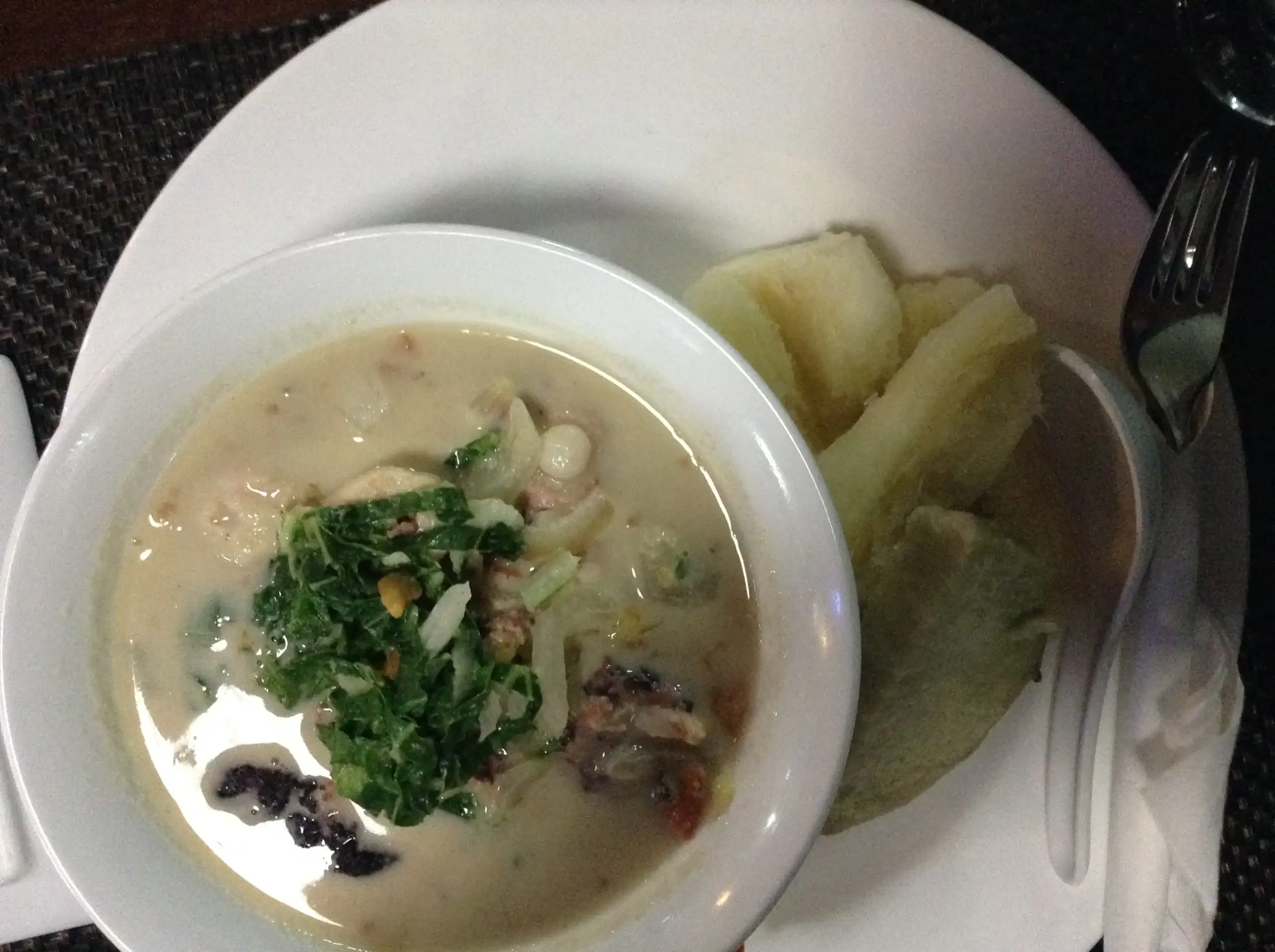
    Kuita Vakalolo (Octopus in Coconut Cream) Recipe

    Fiji Recipe Upgrade

    Kuita vakalolo brings octopus together with coconut cream for a rich Fiji seafood dish. The upgraded layout gives seafood readers faster access to the method, serving ideas, and related coconut fish recipes.

    By Pacific Island Recipe · Updated April 24, 2026

    Kuita Vakalolo (Octopus in Coconut Cream) Recipe

    Start here

    Kuita vakalolo brings octopus together with coconut cream for a rich Fiji seafood dish. The upgraded layout gives seafood readers faster access to the method, serving ideas, and related coconut fish recipes.

    Try next:

    Want more Pacific recipes?

    Subscribe for new island dishes, desserts, and weeknight ideas as they publish.

    Get island recipes by email

    New Pacific recipes, island desserts, and practical home-cooking ideas straight to your inbox.

    Ingredients

    • 1 octopus, cleaned and cut into small pieces
    • 1 can coconut milk
    • 1 small onion, diced
    • 2 cloves garlic, minced
    • 1 small red bell pepper, diced
    • 1 small green bell pepper, diced
    • 2 tablespoons olive oil
    • Salt and pepper to taste
    • Chopped fresh cilantro for garnish

    Steps

    1. In a large pot, heat the olive oil over medium heat.
    2. Add the onions, garlic, and bell peppers and cook for about 5 minutes until the vegetables are softened.
    3. Add the octopus to the pot and cook for about 5 minutes until it starts to turn pink.
    4. Add the coconut milk to the pot and bring the mixture to a simmer.
    5. Reduce the heat to low and let the octopus stew in the coconut milk for about 1 hour, or until it is tender.
    6. Season the stew with salt and pepper to taste.
    7. Garnish the stew with chopped fresh cilantro before serving.
    8. Serve the octopus stew over rice or with some crusty bread for dipping into the flavorful coconut cream sauce. Enjoy
    9. Use the freshest seafood you can get for the best flavor.
    10. Do not overcook the seafood or it can turn firm too quickly.
    11. Serve with simple sides so the main flavor stays clear.

    Nutrition

    This page includes a per-serving nutrition table below the main content so readers can scan calories, macros, and key nutrition details without leaving the recipe.

    Tips And Substitutions

    Helpful tips

    • Read the full method once before cooking so the timing and texture make sense.
    • Taste and adjust salt, acidity, coconut richness, or heat near the end instead of at the start.
    • Serve the dish while the main texture is still at its best, especially for seafood, greens, and coconut sauces.

    Substitutions and variations

    • Use the closest fresh local ingredient when the exact island ingredient is difficult to find.
    • Coconut milk can usually be made richer with coconut cream or lighter with a little water.
    • Keep chilli optional when cooking for a mixed table, then serve extra heat on the side.

    Serve It With

    These recipes pair naturally with this page and give readers a better path into the rest of the archive.

    FAQ

    Can I make this recipe ahead?

    You can usually prep the ingredients ahead, but the final cooking or dressing step is best done close to serving.

    What should I serve with it?

    Rice, root crops, coconut sides, seafood, salads, or another Pacific recipe from the cluster links all work well.

    Can I adjust the coconut flavor?

    Yes. Use coconut cream for a richer finish or a lighter coconut milk when you want the dish less heavy.

    About This Version

    This page was selected for a revenue upgrade because Search Console already showed reader demand, so the layout now gives visitors a stronger recipe path and better links into related Pacific dishes.

    More Pacific Coconut Seafood Recipes

    Use these hand-picked links to browse the site by ingredient, meal type, and regional cooking style.

    Nutrition Facts (per serving)

    NutrientAmount per Serving
    Calories77 kcal
    Fat6.4 g
    Saturated Fat3.5 g
    Carbohydrates51.4 g
    Protein13.8 g
    Sodium431 mg
    Cholesterol0 mg
  • Grilled Mahimahi

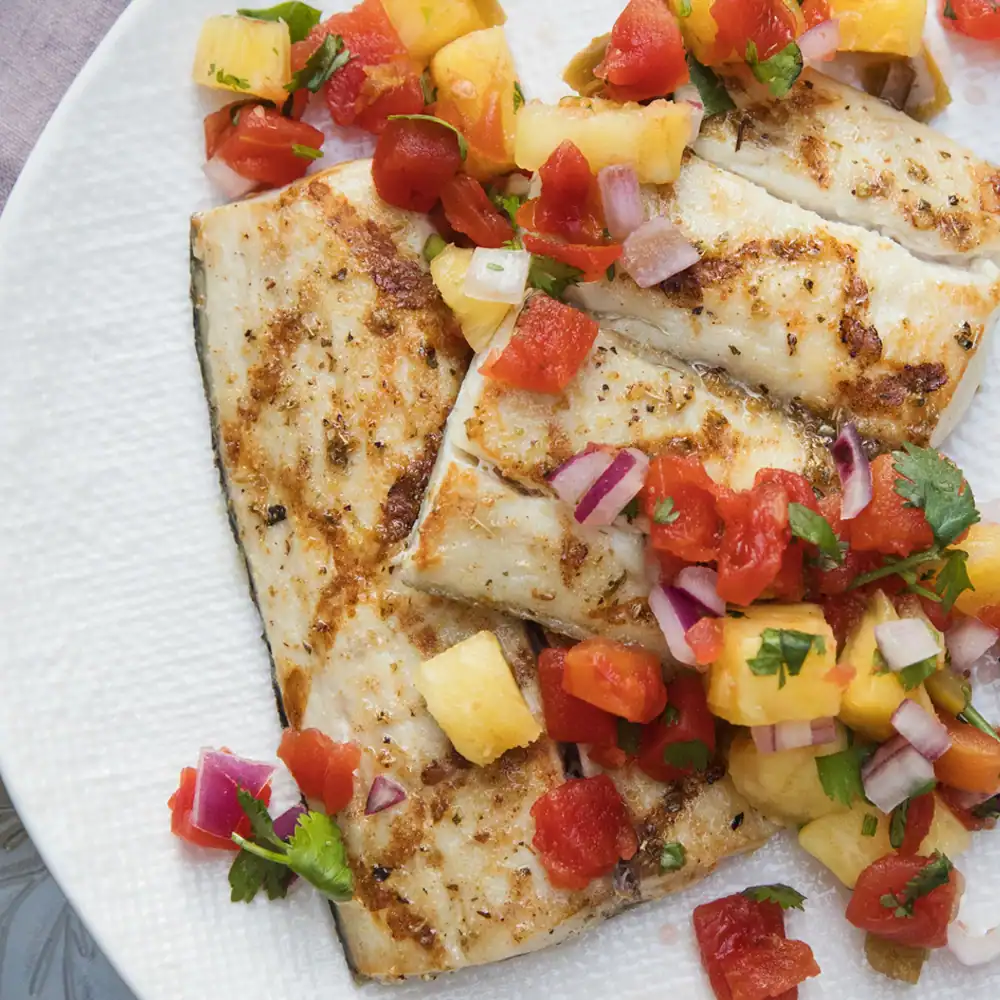
    Grilled Mahimahi

    Pacific Island Recipe Upgrade

    Grilled mahimahi has a strong average position but low CTR, making it a good cleanup target. The upgrade gives seafood readers a clearer recipe layout and connects the page to fish, raw-fish, and island side clusters.

    By Pacific Island Recipe · Updated April 24, 2026

    Grilled Mahimahi

    Start here

    Grilled mahimahi has a strong average position but low CTR, making it a good cleanup target. The upgrade gives seafood readers a clearer recipe layout and connects the page to fish, raw-fish, and island side clusters.

    Try next:

    Want more Pacific recipes?

    Subscribe for new island dishes, desserts, and weeknight ideas as they publish.

    Get island recipes by email

    New Pacific recipes, island desserts, and practical home-cooking ideas straight to your inbox.

    Ingredients

    • 4 mahimahi fillets, about 6 ounces each
    • 2 tablespoons olive oil
    • Salt and pepper
    • 2 tablespoons butter, softened
    • 1 lemon, zested and juiced
    • 1 tablespoon chopped fresh herbs (such as parsley, basil, or chives)

    Steps

    1. Preheat your grill to medium-high heat.
    2. Brush the mahimahi fillets on both sides with olive oil and season with salt and pepper.
    3. In a small bowl, mix together the butter, lemon zest, lemon juice, and herbs.
    4. Place the mahimahi fillets on the grill and cook for 3-4 minutes on each side, or until the fish is opaque and flakes easily with a fork.
    5. During the last minute of grilling, spread a generous amount of the lemon-herb butter on top of each fillet.
    6. Serve the grilled mahimahi with your choice of sides, such as grilled vegetables or a salad. Enjoy!

    Nutrition

    This page includes a per-serving nutrition table below the main content so readers can scan calories, macros, and key nutrition details without leaving the recipe.

    Tips And Substitutions

    Helpful tips

    • Read the full method once before cooking so the timing and texture make sense.
    • Taste and adjust salt, acidity, coconut richness, or heat near the end instead of at the start.
    • Serve the dish while the main texture is still at its best, especially for seafood, greens, and coconut sauces.

    Substitutions and variations

    • Use the closest fresh local ingredient when the exact island ingredient is difficult to find.
    • Coconut milk can usually be made richer with coconut cream or lighter with a little water.
    • Keep chilli optional when cooking for a mixed table, then serve extra heat on the side.

    Serve It With

    These recipes pair naturally with this page and give readers a better path into the rest of the archive.

    FAQ

    Can I make this recipe ahead?

    You can usually prep the ingredients ahead, but the final cooking or dressing step is best done close to serving.

    What should I serve with it?

    Rice, root crops, coconut sides, seafood, salads, or another Pacific recipe from the cluster links all work well.

    Can I adjust the coconut flavor?

    Yes. Use coconut cream for a richer finish or a lighter coconut milk when you want the dish less heavy.

    About This Version

    This page was selected for a revenue upgrade because Search Console already showed reader demand, so the layout now gives visitors a stronger recipe path and better links into related Pacific dishes.

    More Pacific Fish Recipes

    Use these hand-picked links to browse the site by ingredient, meal type, and regional cooking style.

    Nutrition Facts (per serving)

    NutrientAmount per Serving
    Calories87 kcal
    Fat7.7 g
    Saturated Fat3.6 g
    Carbohydrates1.8 g
    Protein20.9 g
    Sodium555.5 mg
    Cholesterol90.7 mg
  • How to Make a Lovo at Home

    How to Make a Lovo at Home

    Fiji Recipe Upgrade

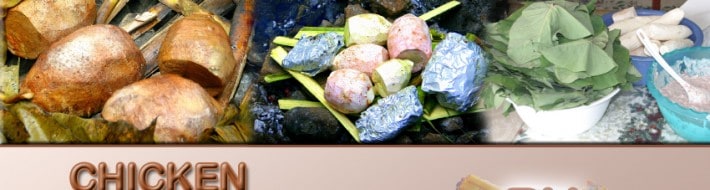
    A lovo is Fiji's earth-oven cooking method, built around hot stones, wrapped food, and slow sealed heat. This guide walks you through the classic at-home setup so you can plan a lovo-style feast more confidently.

    By Pacific Island Recipe · Updated April 21, 2026

    How to Make a Lovo at Home

    Start here

    A lovo is Fiji's earth-oven cooking method, built around hot stones, wrapped food, and slow sealed heat. This guide walks you through the classic at-home setup so you can plan a lovo-style feast more confidently.

    Try next:

    Want more Pacific recipes?

    Subscribe for new island dishes, desserts, and weeknight ideas as they publish.

    Get island recipes by email

    New Pacific recipes, island desserts, and practical home-cooking ideas straight to your inbox.

    What You Need

    • 4 pounds of your chosen protein, such as chicken, pork, or fish
    • 4 pounds of root vegetables, such as taro, yam, sweet potato, or cassava
    • Plantains, breadfruit, or other starchy sides if you want a larger feast
    • Banana leaves or taro leaves for wrapping
    • Clean hot stones for the earth oven base
    • Foil or wire racks if you want extra support between layers

    How To Build A Lovo

    1. Dig an earth oven pit roughly 2 feet deep and about 4 feet wide, then heat your stones until they are very hot.
    2. Prepare the proteins and root crops in large serving pieces so they cook steadily over time.
    3. Wrap the food securely in banana or taro leaves to hold in moisture and protect it from the direct heat.
    4. Place the hot stones in the pit, arrange the wrapped food over them, and layer more leaves on top if needed.
    5. Seal the pit well with sacks, foil, or earth so the heat stays trapped inside.
    6. Cook for several hours until the meat is tender and the root crops are fully softened, then uncover carefully and serve.

    Tips And Substitutions

    Helpful tips

    • Plan more time than you think you need because lovo is slow cooking, not quick grilling.
    • Wrap foods tightly so they steam instead of drying out.
    • Keep the menu simple the first time, then add more bundles once you know your pit timing.

    Substitutions and variations

    • If a true earth oven is not possible, you can mimic the flavor profile with wrapped food cooked low and slow in a covered grill or oven.
    • Root crops such as cassava, yam, and taro all work well in the same lovo spread.
    • Separate seafood from stronger meats if you are cooking a mixed feast.

    Serve It With

    These recipes pair naturally with this page and give readers a better path into the rest of the archive.

    FAQ

    What food is best for a lovo?

    Chicken, pork, fish, taro, cassava, yam, sweet potato, and breadfruit are all classic lovo-friendly choices.

    How long does a lovo take?

    It varies by pit size and the amount of food, but you should expect several hours from setup to serving.

    Can I make a small backyard lovo?

    Yes, but start small and keep the menu manageable so you can learn the heat and timing of your setup.

    About This Version

    This page is a practical home guide to the Fiji lovo method rather than a single fixed recipe, so timings and ingredient combinations can vary by feast size and cooking setup.

    Build A Bigger Fiji Feast

    Use these hand-picked links to browse the site by ingredient, meal type, and regional cooking style.

  • Coconut (The Tree Of Life)

    Coconut (The Tree Of Life)

    Pacific Island Recipe Upgrade

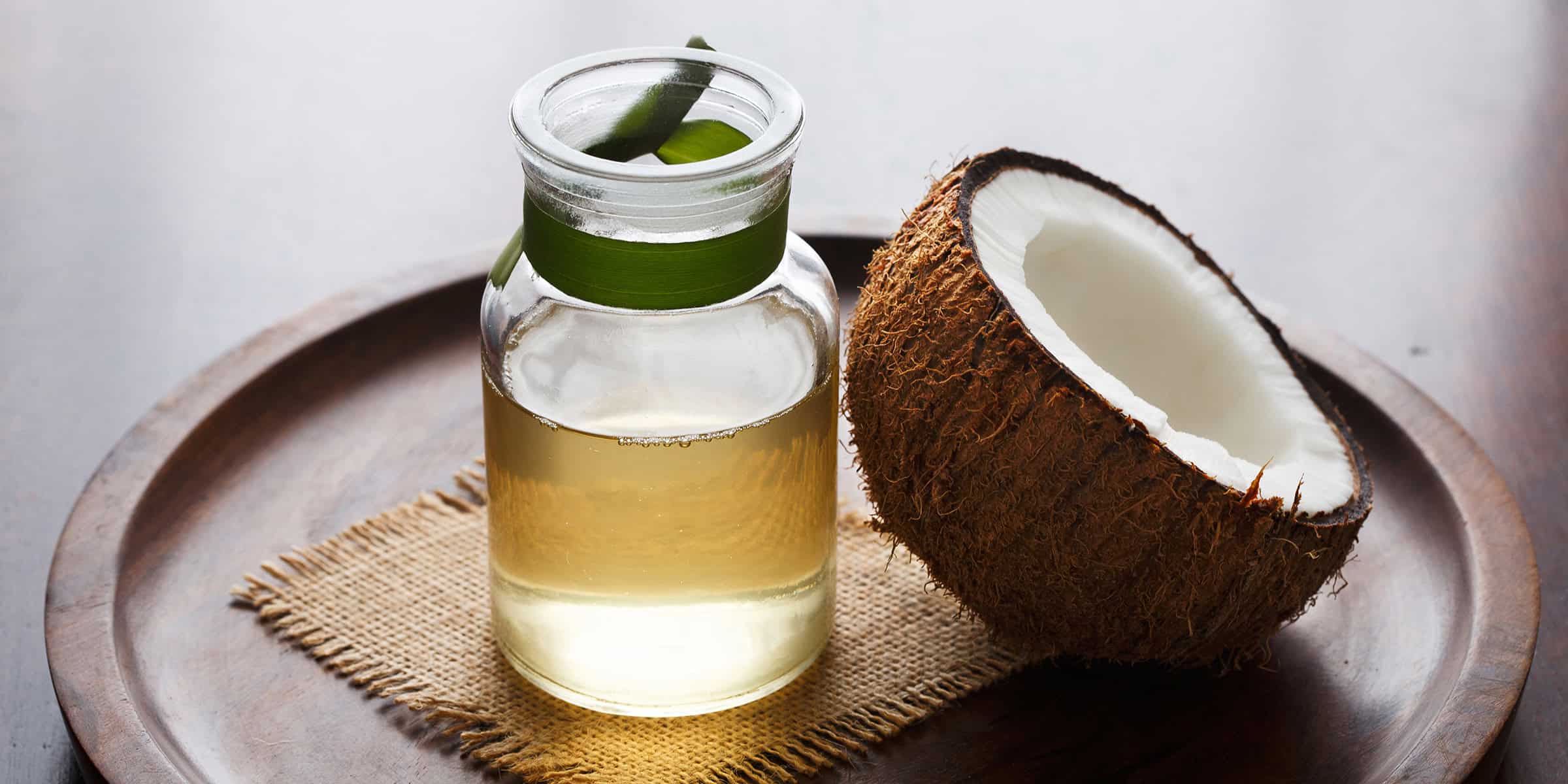
    Coconut is one of the most important ingredients in Pacific cooking, showing up in sauces, desserts, drinks, seafood, and everyday sides. This upgraded guide turns a broad explainer into a better doorway to the site's coconut recipe clusters.

    By Pacific Island Recipe · Updated April 24, 2026

    Coconut (The Tree Of Life)

    Start here

    Coconut is one of the most important ingredients in Pacific cooking, showing up in sauces, desserts, drinks, seafood, and everyday sides. This upgraded guide turns a broad explainer into a better doorway to the site's coconut recipe clusters.

    Try next:

    Want more Pacific recipes?

    Subscribe for new island dishes, desserts, and weeknight ideas as they publish.

    Get island recipes by email

    New Pacific recipes, island desserts, and practical home-cooking ideas straight to your inbox.

    What You Need

    • Fresh coconut for grating and squeezing
    • Coconut milk for soups, curries, puddings, and sauces
    • Coconut cream for richer desserts and leaf dishes
    • Desiccated or shredded coconut for baking
    • Coconut water for drinks and light preparations

    How Coconut Is Used

    1. Use coconut milk when you want a pourable base for soups, curries, or stews.
    2. Use coconut cream when the recipe needs a thicker and richer finish.
    3. Pair coconut with taro leaves, cassava, fish, crab, banana, or breadfruit for common Pacific-style dishes.
    4. Add coconut late in some recipes so it does not split or reduce too aggressively.
    5. Browse related recipes to see how coconut changes across sweets, seafood, and staple foods.

    Tips And Substitutions

    Helpful tips

    • Coconut cream is richer than coconut milk, so adjust quantities carefully.
    • Shake canned coconut milk before measuring unless the recipe asks for separated cream.
    • Fresh coconut gives a fuller flavor, but canned coconut is practical and consistent.

    Substitutions and variations

    • Use coconut milk for a lighter result.
    • Use coconut cream for a richer result.
    • Use shredded coconut mostly for baking and texture rather than as a direct milk substitute.

    Serve It With

    These recipes pair naturally with this page and give readers a better path into the rest of the archive.

    FAQ

    What is coconut used for in Pacific cooking?

    It is used in seafood, taro leaves, cassava desserts, breads, drinks, sauces, soups, and curries.

    Is coconut milk the same as coconut cream?

    No. Coconut cream is thicker and richer, while coconut milk is lighter and more pourable.

    What recipes should I try first?

    Start with rourou, kokoda, panipopo, cassava desserts, or coconut seafood dishes.

    About This Version

    This guide supports the site's ingredient education layer while linking readers into high-value coconut recipe clusters.

    Start Cooking With Coconut

    Use these hand-picked links to browse the site by ingredient, meal type, and regional cooking style.

  • What Is Okra?

    What Is Okra?

    Okra, also known as lady’s fingers, is a flowering plant that belongs to the mallow family. It is native to Africa, but is now grown and cultivated in many parts of the world, including the United States, India, and China. Okra is a popular ingredient in many dishes, especially in the southern United States and in the cuisines of India and the Middle East. It has a slightly mucilaginous texture when cooked, which makes it a good thickening agent for soups and stews. Okra is also a good source of fiber and vitamins, including vitamin C and folate. It can be eaten cooked or raw, and is often used in dishes such as gumbo, curry, and stir-fries. Okra can be prepared in many different ways, including frying, grilling, roasting, and pickling.

    Okra is a nutritious vegetable that is rich in fiber, vitamins, and minerals. It has been traditionally used in some cultures as a natural remedy for a variety of health conditions. However, it is important to note that there is limited scientific evidence to support the use of okra for medicinal purposes, and more research is needed to confirm its potential health benefits.

    That being said, here are some potential health benefits that have been associated with okra:

    1. May help lower blood sugar levels: Okra is high in fiber, which may help slow the absorption of sugar in the blood and improve insulin sensitivity. Some studies have found that consuming okra may help lower blood sugar levels in people with diabetes.
    2. May support heart health: Okra is a good source of antioxidants, which may help protect against oxidative stress and reduce the risk of heart disease. Some studies have also found that consuming okra may help lower cholesterol levels and improve blood pressure.
    3. May aid in weight loss: Okra is low in calories and high in fiber, which may help you feel full and satisfied, potentially leading to weight loss.
    4. May have anti-inflammatory effects: Okra contains compounds that may have anti-inflammatory effects and may help reduce inflammation in the body.

    It is always important to speak with a healthcare provider before using okra or any other natural remedy for medicinal purposes. They can help determine the appropriate treatment for your individual needs.

  • What Is Taro Root? Uses, Flavor, and Pacific Island Cooking

    What Is Taro Root? Uses, Flavor, and Pacific Island Cooking

    Pacific Island Recipe Upgrade

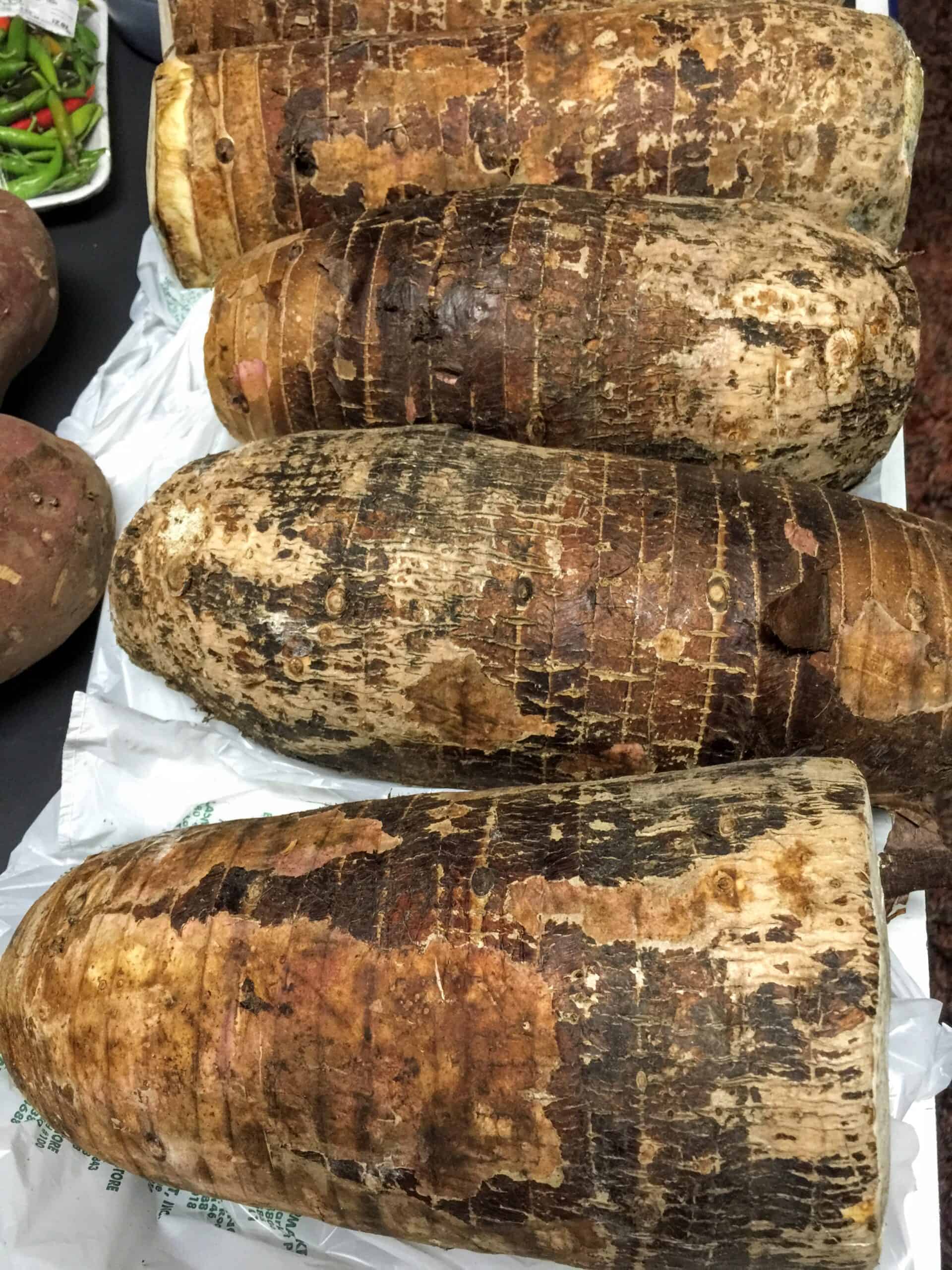
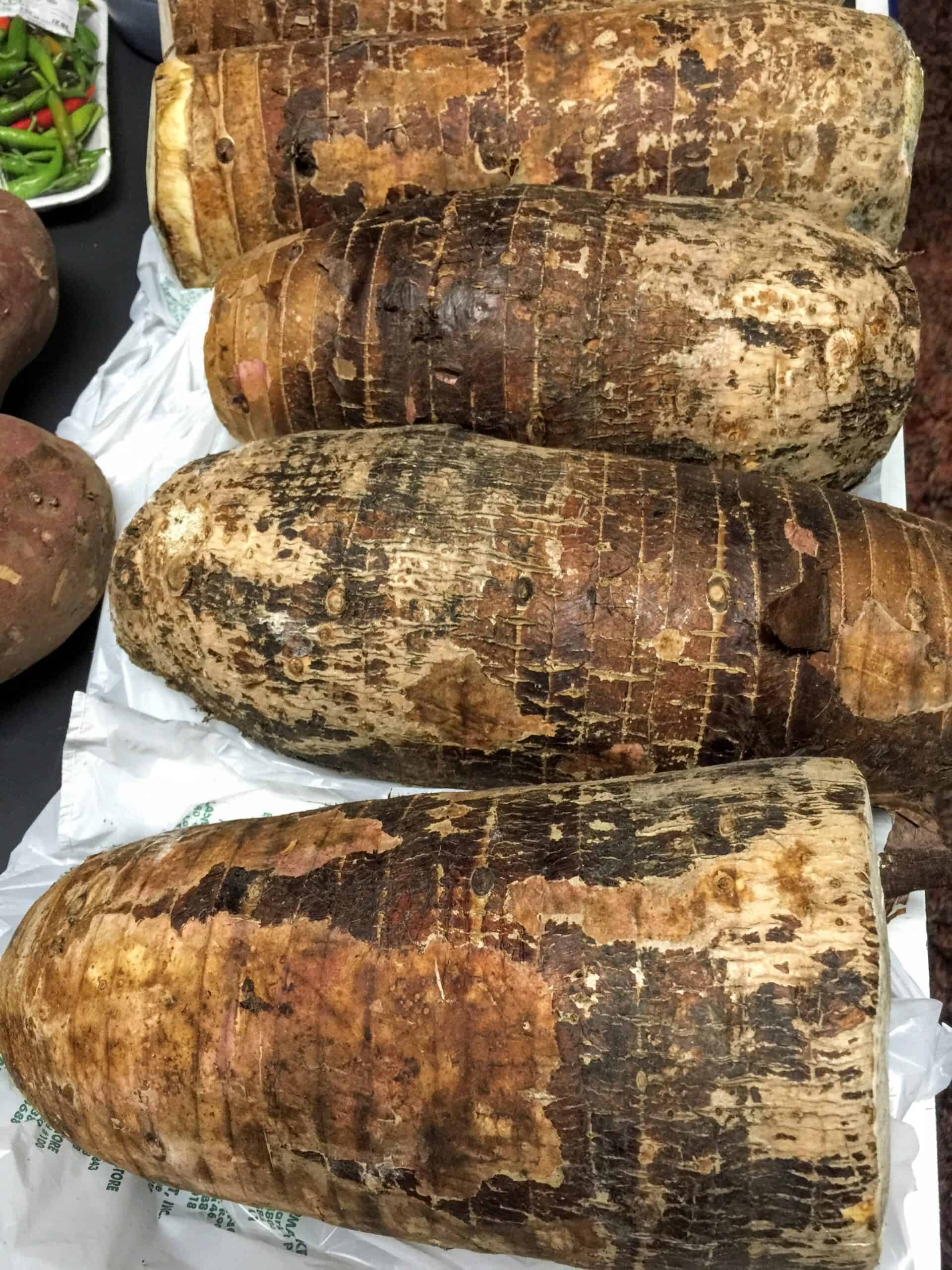
    Taro is one of the most important Pacific root crops, used for everyday meals, feast foods, and taro leaf dishes. This guide gives readers the quick answer first, then explains flavor, cooking uses, safety, and what to try next on the site.

    By Pacific Island Recipe · Updated April 24, 2026

    What Is Taro Root? Uses, Flavor, and Pacific Island Cooking

    Start here

    Taro is one of the most important Pacific root crops, used for everyday meals, feast foods, and taro leaf dishes. This guide gives readers the quick answer first, then explains flavor, cooking uses, safety, and what to try next on the site.

    Try next:

    Want more Pacific recipes?

    Subscribe for new island dishes, desserts, and weeknight ideas as they publish.

    Get island recipes by email

    New Pacific recipes, island desserts, and practical home-cooking ideas straight to your inbox.

    What You Need

    • Fresh taro root for boiling, steaming, baking, or mashing
    • Young taro leaves for fully cooked leaf dishes
    • Coconut milk or coconut cream for island-style taro preparations
    • Salt, aromatics, and simple seasonings depending on the dish
    • Rice, fish, meat, or other root crops for serving alongside taro

    How To Use Taro

    1. Choose firm taro root with no soft spots, mold, or strong sour smell.
    2. Peel taro carefully, then boil, steam, bake, or roast it until completely tender.
    3. Use cooked taro root in mash, stews, curries, desserts, or feast plates.
    4. Cook taro leaves thoroughly before eating because raw or undercooked leaves can irritate the mouth and throat.
    5. Pair taro with coconut milk, fish, greens, or other root crops for a more Pacific-style meal.

    Tips And Substitutions

    Helpful tips

    • Always cook taro root and taro leaves fully before serving.
    • Use gloves if raw taro irritates your skin while peeling.
    • Start with boiled or steamed taro if you are trying the ingredient for the first time.

    Substitutions and variations

    • Cassava, yam, breadfruit, or sweet potato can fill a similar starchy role, though the flavor and texture will differ.
    • Spinach can stand in visually for taro leaves in some recipes, but it will not taste the same.
    • Coconut milk is optional for plain taro, but it is central to many Pacific taro dishes.

    Serve It With

    These recipes pair naturally with this page and give readers a better path into the rest of the archive.

    FAQ

    What does taro taste like?

    Cooked taro is mild, earthy, and lightly nutty, with a starchy texture similar to a dense potato.

    Can taro be eaten raw?

    No. Taro should be cooked thoroughly before eating.

    What Pacific recipes use taro?

    Rourou, taro rolls, taro leaf stews, and coconut-based taro sides are all good starting points.

    About This Version

    This guide is an ingredient explainer for Pacific home cooking, focused on practical use, safety, and links into the site's taro recipe cluster.

    More Taro And Root Crop Guides

    Use these hand-picked links to browse the site by ingredient, meal type, and regional cooking style.

  • Fiji Custard Pie Recipe (Traditional Fijian Dessert)

    Fiji Custard Pie Recipe (Traditional Fijian Dessert)

    Fiji Recipe Upgrade

    Fiji custard pie is a soft, creamy dessert with a home-style baked base and smooth custard filling. This upgraded layout gives readers a clearer route from ingredients to serving ideas while keeping the page tied into the Fiji dessert cluster.

    By Pacific Island Recipe · Updated April 26, 2026

    Fiji Custard Pie Recipe (Traditional Fijian Dessert)

    Start here

    Fiji custard pie is a soft, creamy dessert with a home-style baked base and smooth custard filling. This upgraded layout gives readers a clearer route from ingredients to serving ideas while keeping the page tied into the Fiji dessert cluster.

    Try next:

    Want more Pacific recipes?

    Subscribe for new island dishes, desserts, and weeknight ideas as they publish.

    Get island recipes by email

    New Pacific recipes, island desserts, and practical home-cooking ideas straight to your inbox.

    Ingredients

    • 1/4 lb butter, softened
    • 1/2 cup sugar
    • 2 eggs
    • 1 teaspoon baking powder
    • 2 cups all-purpose flour
    • 1/4 teaspoon vanilla
    • 2 cups milk
    • 3 tablespoons custard powder
    • 3 dessert spoons sugar, for the custard

    Steps

    1. Cream the butter and sugar together until smooth.
    2. Add the eggs and vanilla, then mix well.
    3. Mix in the flour and baking powder until a soft pastry forms.
    4. Press the pastry evenly into a greased baking tray or pie dish.
    5. Bake at 350 degrees F or 180 degrees C for 12 to 15 minutes, until lightly golden.
    6. Dissolve the custard powder in a small amount of cold milk until smooth.
    7. Add the remaining milk and sugar, then heat gently.
    8. Stir continuously until the custard is thick and glossy.
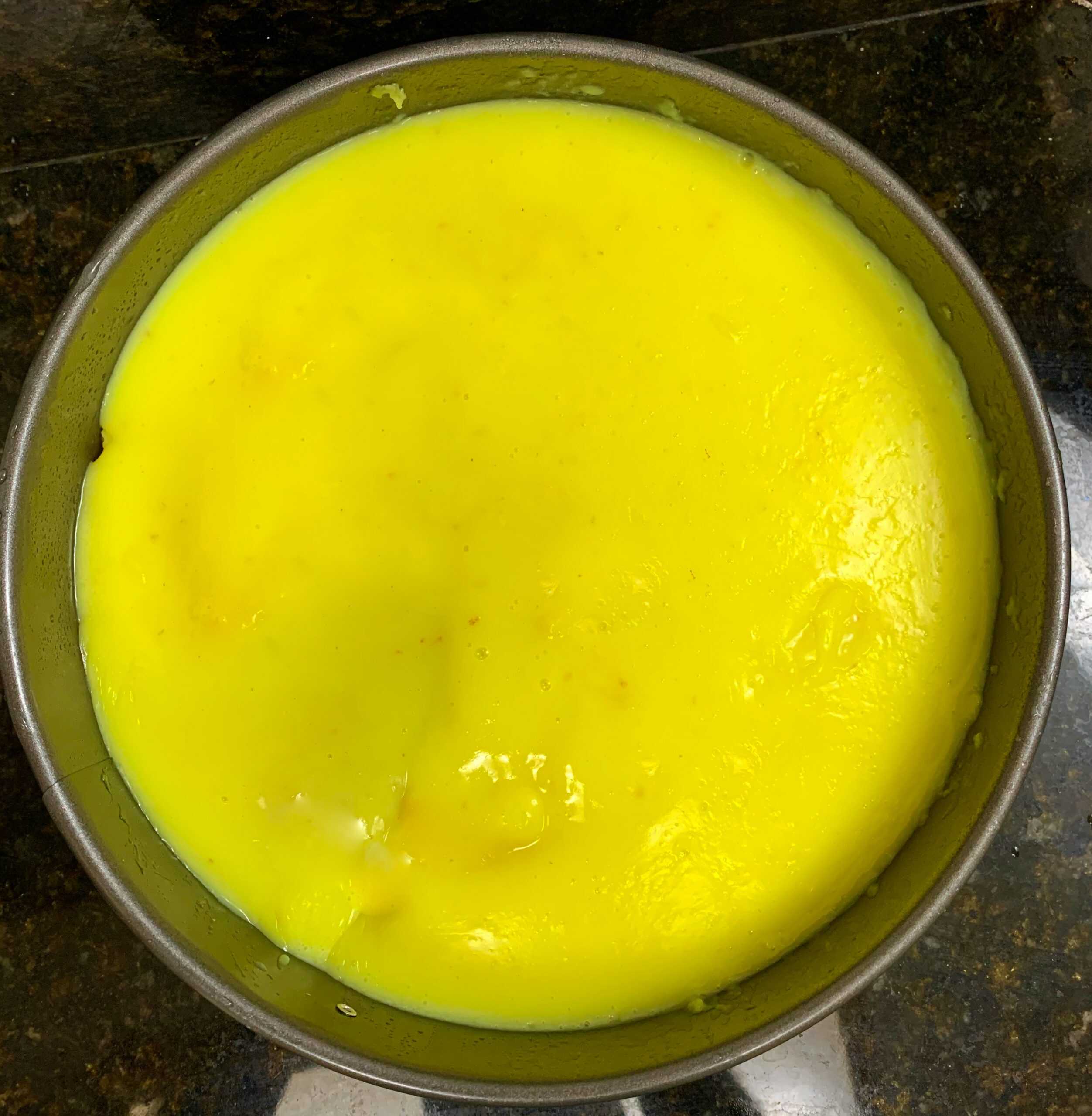
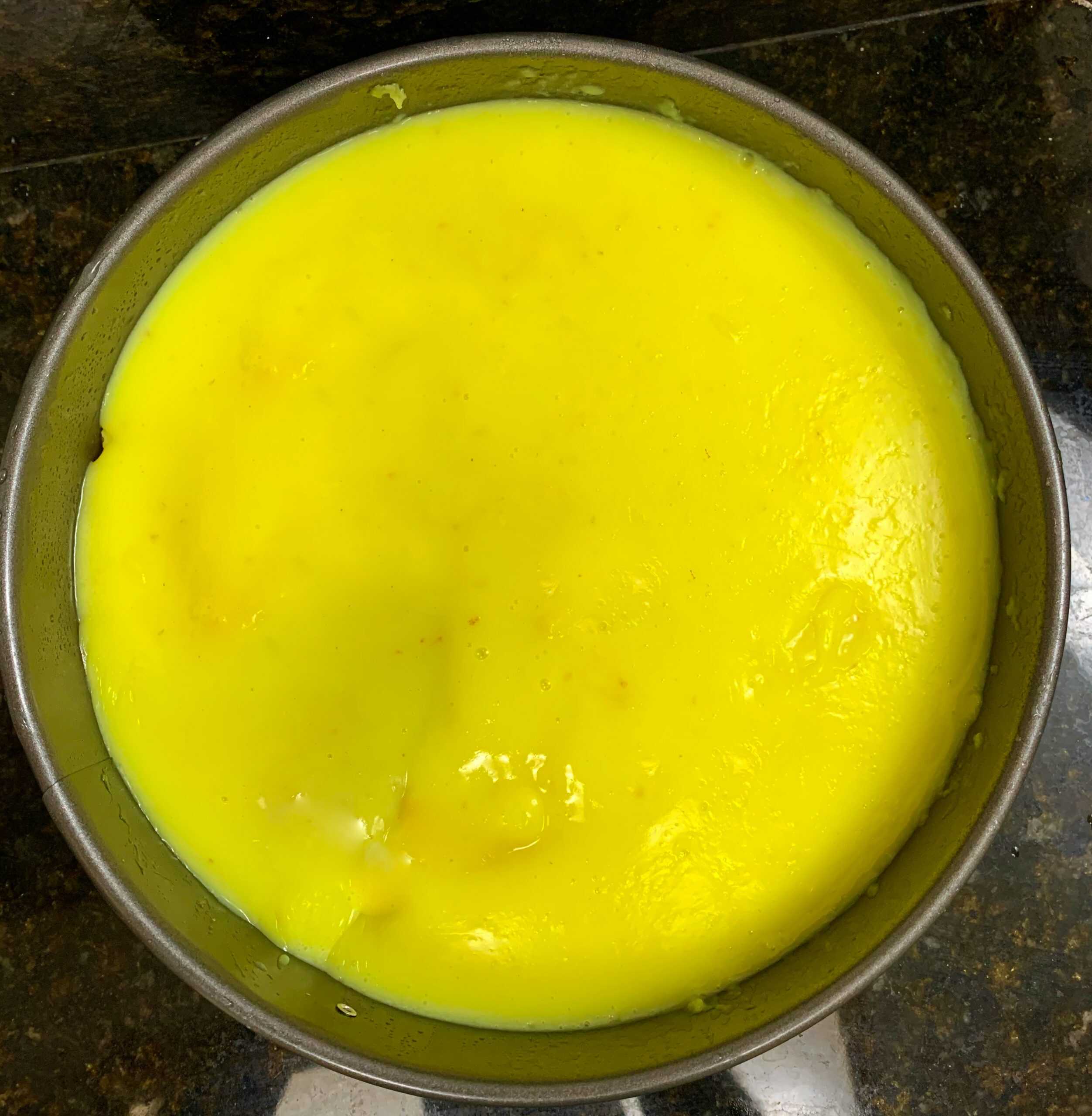
    9. Pour the custard over the baked base and let it cool until set before slicing.

    Nutrition

    This page includes a per-serving nutrition table below the main content so readers can scan calories, macros, and key nutrition details without leaving the recipe.

    Tips And Substitutions

    Helpful tips

    • Cook the custard gently so it thickens smoothly.
    • Let the pie cool before slicing so the filling sets.
    • Use a simple base that supports the custard without overpowering it.

    Substitutions and variations

    • Add vanilla for a softer custard flavor.
    • Serve chilled for neater slices.
    • Pair with cassava cake or purini for a larger Fiji dessert table.

    Serve It With

    These recipes pair naturally with this page and give readers a better path into the rest of the archive.

    FAQ

    Should Fiji custard pie be served warm or cold?

    It slices best once cooled, though some families enjoy it slightly warm.

    Why is my custard runny?

    It likely needed more cooking time or more cooling time before slicing.

    Can I make custard pie ahead?

    Yes. It is a good make-ahead dessert because the filling firms as it chills.

    About This Version

    This page keeps the familiar Fiji home-dessert style while improving structure and internal links for dessert readers.

    More Fiji Dessert Recipes

    Use these hand-picked links to browse the site by ingredient, meal type, and regional cooking style.

    Fijian Purini Recipe

    Make fijian purini with source-backed Pacific island ingredients, clear home-cooking steps, helpful tips, and nutrition facts.

    View recipe

    Nutrition Facts (per serving)

    NutrientAmount per Serving
    Calories373 kcal
    Fat17.3 g
    Saturated Fat8.5 g
    Carbohydrates70 g
    Protein12.3 g
    Sodium162 mg
    Cholesterol148 mg