admin

  • Homemade Pizza Recipe

    Homemade Pizza Recipe

    Cheesy pepperoni and vegetable pizza fresh from the oven with green onions topping.
    Home Made Pizza

    Tired of waiting for your pizza to be delivered? Or pizza place closed? Then why not make your very own delicious pizza at home!? It’s easy!

    Homemade Pizza Recipe is a practical home-style recipe with straightforward ingredients and a flavorful finish that works well for family meals.

    If you enjoy this kind of recipe, you may also want to try our chicken curry or island style beef curry.

    Ingredients:

    • 1 and 1/2 cup flour
    • 3/4 teaspoon yeast
    • 3/4 teaspoon sugar
    • 2/3 cup warm water (110 F or 43 C)
    • 1 tablespoon olive oil 
    • 1/2 teaspoon salt

    Directions

    It’s important to have the right warm water temperature as listed on ingredients so that yeast can “activate”. Else the dough will have trouble rising.

    Mix warm water, yeast, sugar and salt and stir a bit. Then add 1 cup flour at a time while mixing until all flour is mixed in. Eventually knead the dough until the dough is stretchable without tearing. It is easier to mix it in a dough mixer (machine) but by hand will also work with the benefit of exercising our hands (in the process of kneading the dough).

    Then make a round dough, put it in a greased bowl, cover it either with glad wrap or towel and let it sit for 30 mins. The dough should double in size by now. If planning to make the dough much later, put it in fridge and can be cooked the next day. The fridge makes the dough rise much slower, so perfect for delaying the rise until it is ready to be made.

    Once the dough has doubled in size, make a crust to cover a greased pizza plate. Either round or rectangle, it don’t matter.

    Filling

    Then for topping or filling, we can add literally anything. But not raw meat as it may not cook fully. To begin with coat the pizza crust with some kind of sauce. In this case Prego sauce is used. But you can use your own if not available. Spread presto sauce on the crust base. Then sprinkle some cheese. Then add precooked meat like salami, pepperoni, or even sliced sausages. Anything you wish such as mushrooms, pineapple, inions and diced tomatoes. And finally spread even more cheese.

    Baking

    Preheat oven to 400°F or 204°C. Place pizza to very bottom of oven for 5 minutes to make the crust cook faster and resulting in crispy crust (Can also cook the crust without toppings in oven for 5 min before adding the toppings). Then shift pizza to medium or top position for another 6 – 8 mins. Check the cheese. When it is melted enough, the pizza should be done!

    Helpful Tips

    • Taste and adjust the seasoning before serving.
    • Use enough cooking time for the main ingredient to reach the right texture.
    • Serve with rice, vegetables, or another simple side to round out the meal.

    FAQ

    Can I make this ahead?
    Yes. Many savory dishes hold up well and can be reheated or served later.

    How should I serve it?
    Serve it with a simple side that matches the style of the dish.

    Can I adjust the seasoning?
    Yes. Taste near the end and adjust salt, spice, or acidity to suit your preference.

    Nutrition Facts (per serving)

    NutrientAmount per Serving
    Calories120 kcal
    Fat5.2 g
    Saturated Fat1.4 g
    Carbohydrates41 g
    Protein17.9 g
    Sodium10417.7 mg
    Cholesterol36.2 mg
  • Lamb Pot Roast Recipe

    Lamb Pot Roast Recipe

    Lamb Pot Roast Recipe is a practical home-style recipe with straightforward ingredients and a flavorful finish that works well for family meals.

    If you enjoy this kind of recipe, you may also want to try our chicken curry or island style beef curry.

    Lamb pot roast
    Lamb pot roast all cooked.
    Making lamb pot roast is easy! It takes about 1/2 an hour altogether to cook. Pot Roast Lamb Recipe Chop up some lamb into desired pieces. Heat up pot, add a bit of oil as lamb is already oily then  add lamb into the pot. There should be a bit of water in the pot which comes along when lamb is washed. Since there is little water, occasionally check and stir as it could burn up real fast! (Then you will have burned lamb, not pot roasted lamb 😛 Your guests will be slightly amused. 😛  ) The idea here is to cook the lamb so when it is almost dry, add just a tiny bit of water so that it doesn’t burn. And keep stirring so the meat on the bottom does not burn and stick. Close lid and wait a few mins. When lamb is almost cooked, add some pounded garlic, chillies, salt, and paprika to taste. Paprika is just to make it look red. So add desired amount. Add some dark or light soy sauce to taste as well. Give it a few more minutes, it should be cooked. Obviously taste the lamb to ensure it is cooked. Once cooked, turn off stove and chop up some inions  add and even add some cilantro if you like. That’s it! Serve with a smile will make it even more delicious!

    Helpful Tips

    • Taste and adjust the seasoning before serving.
    • Use enough cooking time for the main ingredient to reach the right texture.
    • Serve with rice, vegetables, or another simple side to round out the meal.

    FAQ

    Can I make this ahead?
    Yes. Many savory dishes hold up well and can be reheated or served later.

    How should I serve it?
    Serve it with a simple side that matches the style of the dish.

    Can I adjust the seasoning?
    Yes. Taste near the end and adjust salt, spice, or acidity to suit your preference.

    Nutrition Facts (per serving)

    NutrientAmount per Serving
    Calories84 kcal
    Fat3.9 g
    Saturated Fat1.2 g
    Carbohydrates21.2 g
    Protein7.8 g
    Sodium9927.7 mg
    Cholesterol20.4 mg
  • Curry Crab Recipe (suruwa kekra)

    Curry Crab Recipe (suruwa kekra)

    Fiji Recipe Upgrade

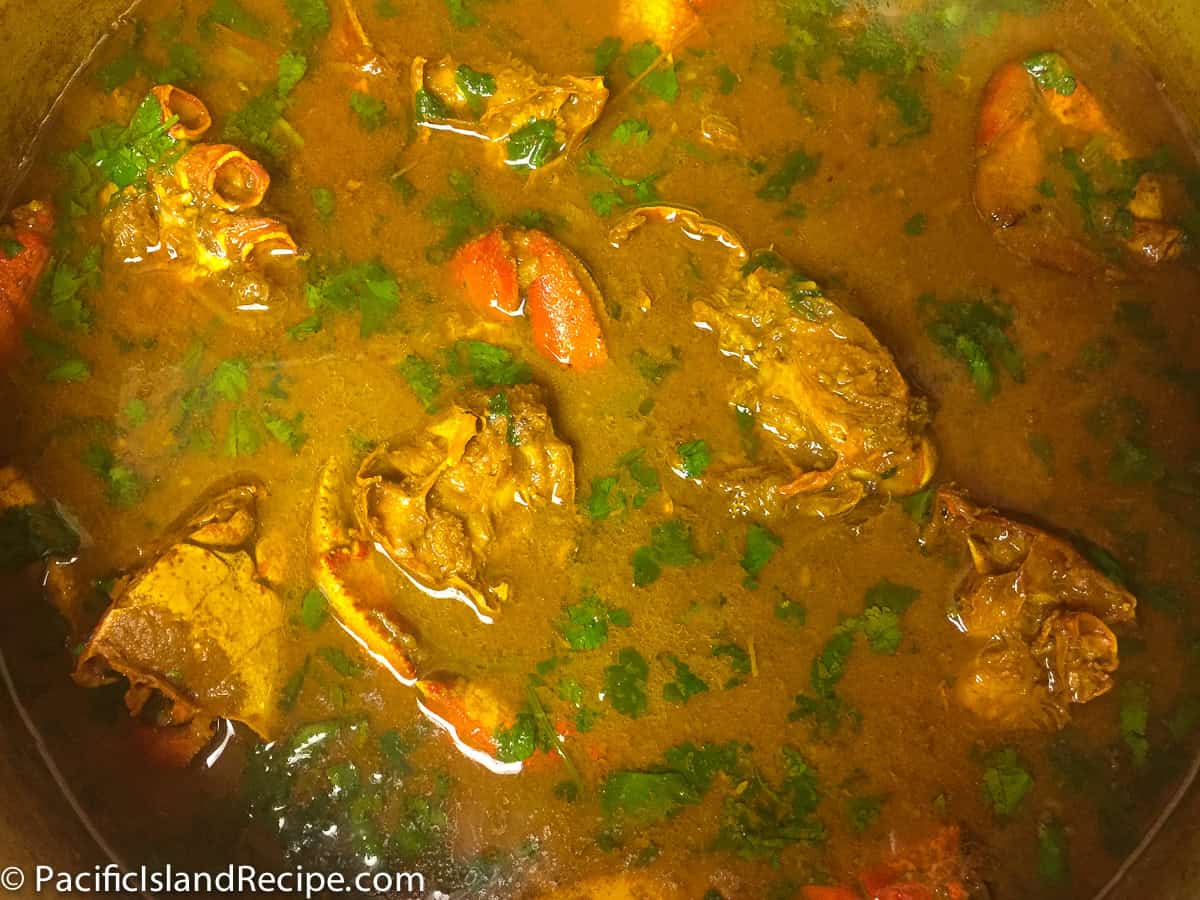
    Curry crab, or suruwa kekra, is a Fiji-style seafood curry with strong search potential and natural links to the site's crab and curry recipes. The upgraded page gives readers clearer steps and stronger related recipe paths.

    By Pacific Island Recipe · Updated April 24, 2026

    Curry Crab Recipe (suruwa kekra)

    Start here

    Curry crab, or suruwa kekra, is a Fiji-style seafood curry with strong search potential and natural links to the site's crab and curry recipes. The upgraded page gives readers clearer steps and stronger related recipe paths.

    Try next:

    Want more Pacific recipes?

    Subscribe for new island dishes, desserts, and weeknight ideas as they publish.

    Get island recipes by email

    New Pacific recipes, island desserts, and practical home-cooking ideas straight to your inbox.

    Ingredients

    • A few crabs, cleaned and cut into pieces
    • Sliced onions
    • Sliced tomatoes
    • Garlic
    • Chili
    • Cooking oil
    • Salt
    • Cilantro
    • Curry powder
    • Masala
    • Indian spices
    • Water as needed

    Steps

    1. Clean the crabs and cut them into pieces.
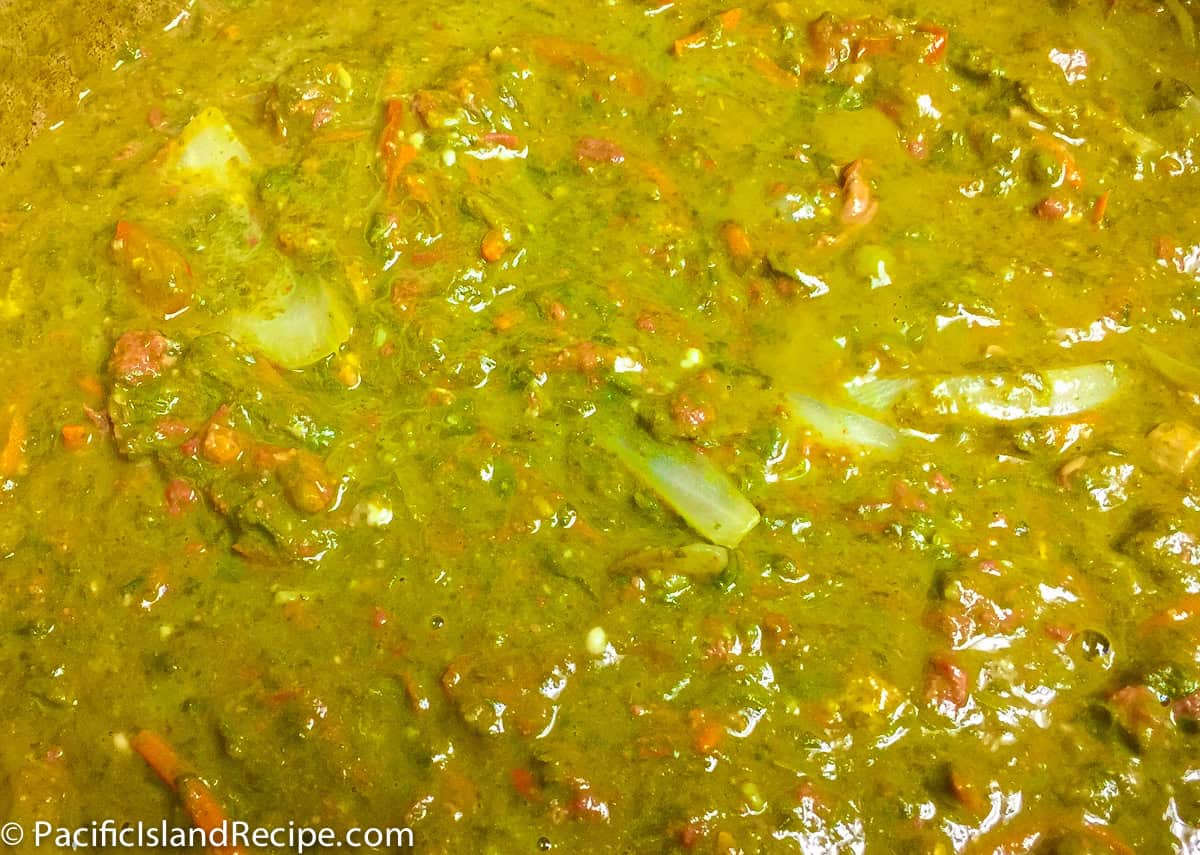
    2. Heat cooking oil in a pot and add the Indian spices, onions, tomatoes, salt, garlic, and chili.
    3. Stir the mixture until it is deeply cooked and fragrant, taking care not to burn the spices.
    4. Add about 2 cups of water to stop the mixture from burning, then add the crab pieces.
    5. Bring to a boil, add more water if needed, and keep stirring occasionally.
    6. Cook for about 10 to 15 minutes until the crab is done.
    7. Finish with cilantro and serve with rice, cassava, or dalo.

    Nutrition

    This page includes a per-serving nutrition table below the main content so readers can scan calories, macros, and key nutrition details without leaving the recipe.

    Tips And Substitutions

    Helpful tips

    • Read the full method once before cooking so the timing and texture make sense.
    • Taste and adjust salt, acidity, coconut richness, or heat near the end instead of at the start.
    • Serve the dish while the main texture is still at its best, especially for seafood, greens, and coconut sauces.

    Substitutions and variations

    • Use the closest fresh local ingredient when the exact island ingredient is difficult to find.
    • Coconut milk can usually be made richer with coconut cream or lighter with a little water.
    • Keep chilli optional when cooking for a mixed table, then serve extra heat on the side.

    Serve It With

    These recipes pair naturally with this page and give readers a better path into the rest of the archive.

    FAQ

    Can I make this recipe ahead?

    You can usually prep the ingredients ahead, but the final cooking or dressing step is best done close to serving.

    What should I serve with it?

    Rice, root crops, coconut sides, seafood, salads, or another Pacific recipe from the cluster links all work well.

    Can I adjust the coconut flavor?

    Yes. Use coconut cream for a richer finish or a lighter coconut milk when you want the dish less heavy.

    About This Version

    This page was selected for a revenue upgrade because Search Console already showed reader demand, so the layout now gives visitors a stronger recipe path and better links into related Pacific dishes.

    More Fiji Curry And Crab Recipes

    Use these hand-picked links to browse the site by ingredient, meal type, and regional cooking style.

    Nutrition Facts (per serving)

    NutrientAmount per Serving
    Calories225 kcal
    Fat9 g
    Saturated Fat3.3 g
    Carbohydrates48.7 g
    Protein19.3 g
    Sodium10182.8 mg
    Cholesterol20.2 mg
  • Rourou Recipe (Taro Leaves in Coconut Cream)

    Rourou Recipe (Taro Leaves in Coconut Cream)

    Fiji Recipe Upgrade

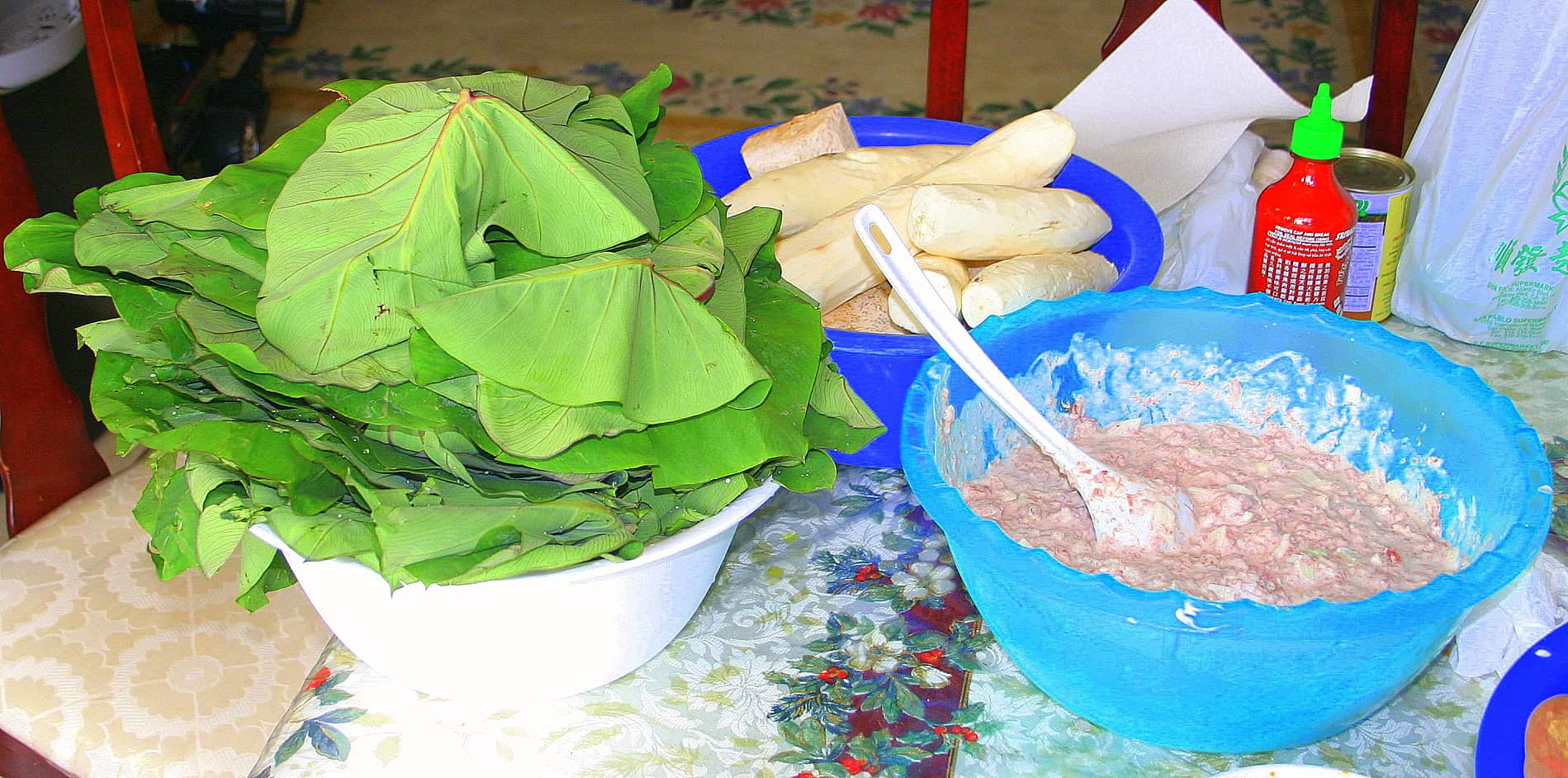
    Rourou is a rich taro leaf dish cooked down with coconut cream until the leaves turn silky and tender. This version keeps the ingredient list simple and gives you a practical home method for a Fiji-style side or light main.

    By Pacific Island Recipe · Updated April 21, 2026

    Rourou Recipe (Taro Leaves in Coconut Cream)

    Start here

    Rourou is a rich taro leaf dish cooked down with coconut cream until the leaves turn silky and tender. This version keeps the ingredient list simple and gives you a practical home method for a Fiji-style side or light main.

    Try next:

    Want more Pacific recipes?

    Subscribe for new island dishes, desserts, and weeknight ideas as they publish.

    Get island recipes by email

    New Pacific recipes, island desserts, and practical home-cooking ideas straight to your inbox.

    Ingredients

    • 2 packed bowls young taro leaves, washed and finely chopped
    • 1 cup coconut cream
    • 1 small onion, finely chopped
    • 1 teaspoon chopped garlic
    • Salt, to taste
    • 1 small tomato, chopped (optional)
    • 1 chopped chilli (optional)
    • 1/2 cup canned meat or cooked corned beef (optional)

    Steps

    1. Wash the taro leaves well, remove any tough stems, and chop the leaves finely.
    2. Place a pot over medium heat and cook the onion and garlic with a small splash of water or oil until softened.
    3. Add the chopped taro leaves and stir until they begin to wilt down.
    4. Pour in the coconut cream, season lightly with salt, and add the tomato, chilli, or canned meat if you are using them.
    5. Reduce the heat and simmer gently, stirring from time to time, until the leaves are fully tender and the mixture is thick and creamy.
    6. Taste, adjust the seasoning, and serve warm with rice, fish, or roast root crops.

    Nutrition

    This page includes a per-serving nutrition table below the main content so readers can scan calories, macros, and key nutrition details without leaving the recipe.

    Tips And Substitutions

    Helpful tips

    • Cook the taro leaves until completely tender so the finished dish tastes mellow and creamy.
    • If you want a thicker finish, simmer uncovered for the last few minutes.
    • For a lighter version, use a mix of coconut cream and thin coconut milk.

    Substitutions and variations

    • Use spinach only if taro leaves are unavailable, but expect a milder flavor and softer texture.
    • Corned beef or canned meat can turn rourou into a fuller meal.
    • Fresh chilli is optional, so leave it out for a gentler family-style pot.

    Serve It With

    These recipes pair naturally with this page and give readers a better path into the rest of the archive.

    FAQ

    Can I make rourou without meat?

    Yes. The coconut cream and taro leaves alone make a traditional and satisfying vegetarian version.

    How do I know the taro leaves are done?

    The leaves should be fully softened and the coconut mixture should look creamy rather than watery.

    What goes well with rourou?

    Serve it with rice, baked fish, kokoda, grilled meat, or lovo-style root crops.

    About This Version

    This page keeps the dish close to the Fiji home-cooking style used for coconut-based taro leaf dishes, with optional pantry add-ins that are common in family kitchens.

    More Taro And Fiji Favorites

    Use these hand-picked links to browse the site by ingredient, meal type, and regional cooking style.

    Nutrition Facts (per serving)

    NutrientAmount per Serving
    Calories145 kcal
    Fat12.1 g
    Saturated Fat10.4 g
    Carbohydrates6.8 g
    Protein3.1 g
    Sodium120 mg
    Cholesterol0 mg
  • Lote (Cassava Desert) Recipe

    Lote (Cassava Desert) Recipe

    Fiji Recipe Upgrade

    Lote is a cassava dessert with the kind of simple, starchy sweetness that fits naturally beside Fiji puddings and coconut bakes. The upgrade keeps the recipe practical while improving links into the site's stronger cassava and dessert clusters.

    By Pacific Island Recipe · Updated April 24, 2026

    Lote (Cassava Desert) Recipe

    Start here

    Lote is a cassava dessert with the kind of simple, starchy sweetness that fits naturally beside Fiji puddings and coconut bakes. The upgrade keeps the recipe practical while improving links into the site's stronger cassava and dessert clusters.

    Try next:

    Want more Pacific recipes?

    Subscribe for new island dishes, desserts, and weeknight ideas as they publish.

    Get island recipes by email

    New Pacific recipes, island desserts, and practical home-cooking ideas straight to your inbox.

    Ingredients

    • 4 cups grated cassava
    • 1 cup coconut milk
    • 1/2 cup sugar, or to taste
    • 1 teaspoon vanilla, optional
    • 1 pinch salt
    • Water as needed for steaming or softening

    Steps

    1. Prepare the cassava by peeling, washing, and grating it finely.
    2. Mix the grated cassava with coconut milk, sugar, vanilla if using, and a small pinch of salt.
    3. Transfer the mixture to a lined dish or steaming container and smooth the top.
    4. Steam or bake until the cassava is fully cooked, firm enough to slice, and no longer raw in the center.
    5. Cool slightly before cutting and serve as a simple cassava dessert.

    Nutrition

    This page includes a per-serving nutrition table below the main content so readers can scan calories, macros, and key nutrition details without leaving the recipe.

    Tips And Substitutions

    Helpful tips

    • Read the full method once before cooking so the timing and texture make sense.
    • Taste and adjust salt, acidity, coconut richness, or heat near the end instead of at the start.
    • Serve the dish while the main texture is still at its best, especially for seafood, greens, and coconut sauces.

    Substitutions and variations

    • Use the closest fresh local ingredient when the exact island ingredient is difficult to find.
    • Coconut milk can usually be made richer with coconut cream or lighter with a little water.
    • Keep chilli optional when cooking for a mixed table, then serve extra heat on the side.

    Serve It With

    These recipes pair naturally with this page and give readers a better path into the rest of the archive.

    Fijian Purini Recipe

    Make fijian purini with source-backed Pacific island ingredients, clear home-cooking steps, helpful tips, and nutrition facts.

    View recipe

    FAQ

    Can I make this recipe ahead?

    You can usually prep the ingredients ahead, but the final cooking or dressing step is best done close to serving.

    What should I serve with it?

    Rice, root crops, coconut sides, seafood, salads, or another Pacific recipe from the cluster links all work well.

    Can I adjust the coconut flavor?

    Yes. Use coconut cream for a richer finish or a lighter coconut milk when you want the dish less heavy.

    About This Version

    This page was selected for a revenue upgrade because Search Console already showed reader demand, so the layout now gives visitors a stronger recipe path and better links into related Pacific dishes.

    More Cassava Dessert Recipes

    Use these hand-picked links to browse the site by ingredient, meal type, and regional cooking style.

    Nutrition Facts (per serving)

    NutrientAmount per Serving
    Calories13 kcal
    Fat5.5 g
    Saturated Fat4.2 g
    Carbohydrates124.4 g
    Protein9 g
    Sodium4925.8 mg
    Cholesterol4.5 mg
  • Palusami Recipe

    Palusami Recipe

    Samoa Recipe Upgrade

    Palusami is a Pacific taro leaf and coconut dish that readers often search for by name. This upgrade makes the page more useful for home cooks and links it into taro, coconut, and Samoan recipe paths.

    By Pacific Island Recipe · Updated April 24, 2026

    Palusami Recipe

    Start here

    Palusami is a Pacific taro leaf and coconut dish that readers often search for by name. This upgrade makes the page more useful for home cooks and links it into taro, coconut, and Samoan recipe paths.

    Try next:

    Want more Pacific recipes?

    Subscribe for new island dishes, desserts, and weeknight ideas as they publish.

    Get island recipes by email

    New Pacific recipes, island desserts, and practical home-cooking ideas straight to your inbox.

    Ingredients

    • 12 young taro leaves, washed and trimmed
    • 1 cup coconut cream
    • 1 small onion, finely chopped
    • 1/2 teaspoon salt, or to taste
    • 1/2 cup corned beef, cooked meat, or fish, optional
    • Banana leaves or foil for wrapping

    Steps

    1. Wash the taro leaves well and remove any tough stems.
    2. Mix the coconut cream with onion, salt, and the optional corned beef, meat, or fish.
    3. Layer the taro leaves, spoon the coconut mixture into the center, and fold into secure parcels.
    4. Wrap the parcels in banana leaves or foil so the filling stays contained.
    5. Steam or bake until the taro leaves are fully tender and the coconut filling is hot and rich.
    6. Serve warm with rice, root crops, or another Pacific side dish.

    Nutrition

    This page includes a per-serving nutrition table below the main content so readers can scan calories, macros, and key nutrition details without leaving the recipe.

    Tips And Substitutions

    Helpful tips

    • Read the full method once before cooking so the timing and texture make sense.
    • Taste and adjust salt, acidity, coconut richness, or heat near the end instead of at the start.
    • Serve the dish while the main texture is still at its best, especially for seafood, greens, and coconut sauces.

    Substitutions and variations

    • Use the closest fresh local ingredient when the exact island ingredient is difficult to find.
    • Coconut milk can usually be made richer with coconut cream or lighter with a little water.
    • Keep chilli optional when cooking for a mixed table, then serve extra heat on the side.

    Serve It With

    These recipes pair naturally with this page and give readers a better path into the rest of the archive.

    FAQ

    Can I make this recipe ahead?

    You can usually prep the ingredients ahead, but the final cooking or dressing step is best done close to serving.

    What should I serve with it?

    Rice, root crops, coconut sides, seafood, salads, or another Pacific recipe from the cluster links all work well.

    Can I adjust the coconut flavor?

    Yes. Use coconut cream for a richer finish or a lighter coconut milk when you want the dish less heavy.

    About This Version

    This page was selected for a revenue upgrade because Search Console already showed reader demand, so the layout now gives visitors a stronger recipe path and better links into related Pacific dishes.

    More Taro Leaf And Samoan Recipes

    Use these hand-picked links to browse the site by ingredient, meal type, and regional cooking style.

    Nutrition Facts (per serving)

    NutrientAmount per Serving
    Calories575 kcal
    Fat30.5 g
    Saturated Fat16.3 g
    Carbohydrates54.6 g
    Protein103.5 g
    Sodium467.2 mg
    Cholesterol293.1 mg
  • Soggy Biscuit or Bisikete Toni Recipe

    Soggy Biscuit or Bisikete Toni Recipe

    Pacific Island Recipe Upgrade

    Bisikete toni is a humble biscuit-and-coconut style recipe that fits the site's everyday snack lane. This upgrade makes the page less generic and gives readers a clearer path into coconut snacks, buns, and simple island sweets.

    By Pacific Island Recipe · Updated April 24, 2026

    Soggy Biscuit or Bisikete Toni Recipe

    Start here

    Bisikete toni is a humble biscuit-and-coconut style recipe that fits the site's everyday snack lane. This upgrade makes the page less generic and gives readers a clearer path into coconut snacks, buns, and simple island sweets.

    Try next:

    Want more Pacific recipes?

    Subscribe for new island dishes, desserts, and weeknight ideas as they publish.

    Get island recipes by email

    New Pacific recipes, island desserts, and practical home-cooking ideas straight to your inbox.

    Ingredients

    • 2 cups plain hard biscuits, broken into pieces
    • 1 cup coconut milk or coconut cream
    • 1 to 2 tablespoons sugar, or to taste
    • 1/2 teaspoon vanilla, optional
    • A pinch of salt

    Steps

    1. Break the biscuits into bite-sized pieces and place them in a serving bowl.
    2. Stir the coconut milk or coconut cream with sugar, vanilla if using, and a small pinch of salt.
    3. Pour the sweetened coconut mixture over the biscuits.
    4. Let the biscuits soften briefly so they absorb some coconut flavor without falling apart completely.
    5. Serve soon after mixing for the best texture.

    Nutrition

    This page includes a per-serving nutrition table below the main content so readers can scan calories, macros, and key nutrition details without leaving the recipe.

    Tips And Substitutions

    Helpful tips

    • Read the full method once before cooking so the timing and texture make sense.
    • Taste and adjust salt, acidity, coconut richness, or heat near the end instead of at the start.
    • Serve the dish while the main texture is still at its best, especially for seafood, greens, and coconut sauces.

    Substitutions and variations

    • Use the closest fresh local ingredient when the exact island ingredient is difficult to find.
    • Coconut milk can usually be made richer with coconut cream or lighter with a little water.
    • Keep chilli optional when cooking for a mixed table, then serve extra heat on the side.

    Serve It With

    These recipes pair naturally with this page and give readers a better path into the rest of the archive.

    FAQ

    Can I make this recipe ahead?

    You can usually prep the ingredients ahead, but the final cooking or dressing step is best done close to serving.

    What should I serve with it?

    Rice, root crops, coconut sides, seafood, salads, or another Pacific recipe from the cluster links all work well.

    Can I adjust the coconut flavor?

    Yes. Use coconut cream for a richer finish or a lighter coconut milk when you want the dish less heavy.

    About This Version

    This page was selected for a revenue upgrade because Search Console already showed reader demand, so the layout now gives visitors a stronger recipe path and better links into related Pacific dishes.

    More Coconut Snacks And Bakes

    Use these hand-picked links to browse the site by ingredient, meal type, and regional cooking style.

    Nutrition Facts (per serving)

    NutrientAmount per Serving
    Calories11 kcal
    Fat4.9 g
    Saturated Fat4.4 g
    Carbohydrates23.1 g
    Protein8.8 g
    Sodium4922.6 mg
    Cholesterol3.5 mg
  • Purini Recipe (Fijian Coconut Steam Pudding)

    Purini Recipe (Fijian Coconut Steam Pudding)

    Fiji Recipe Upgrade

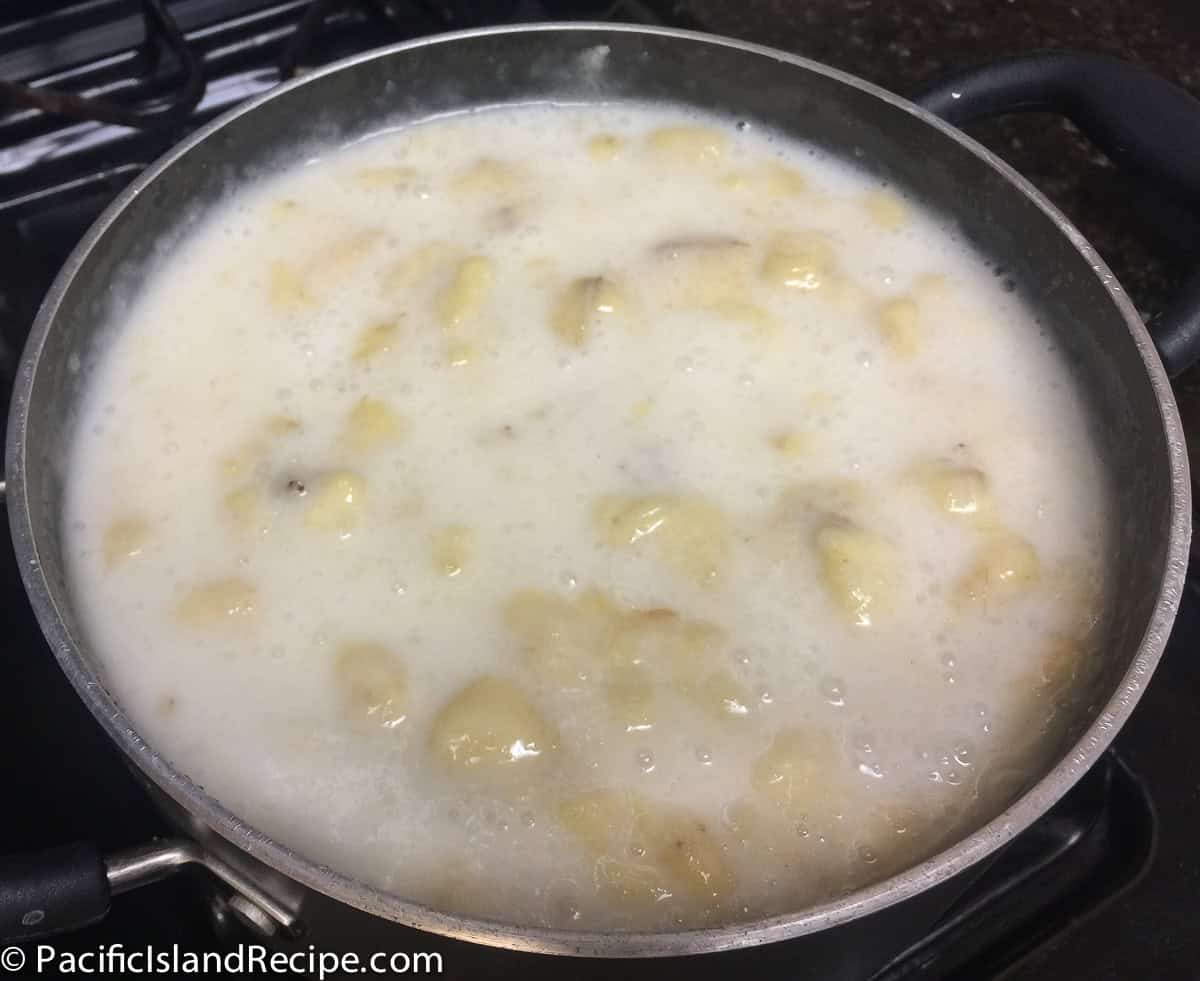
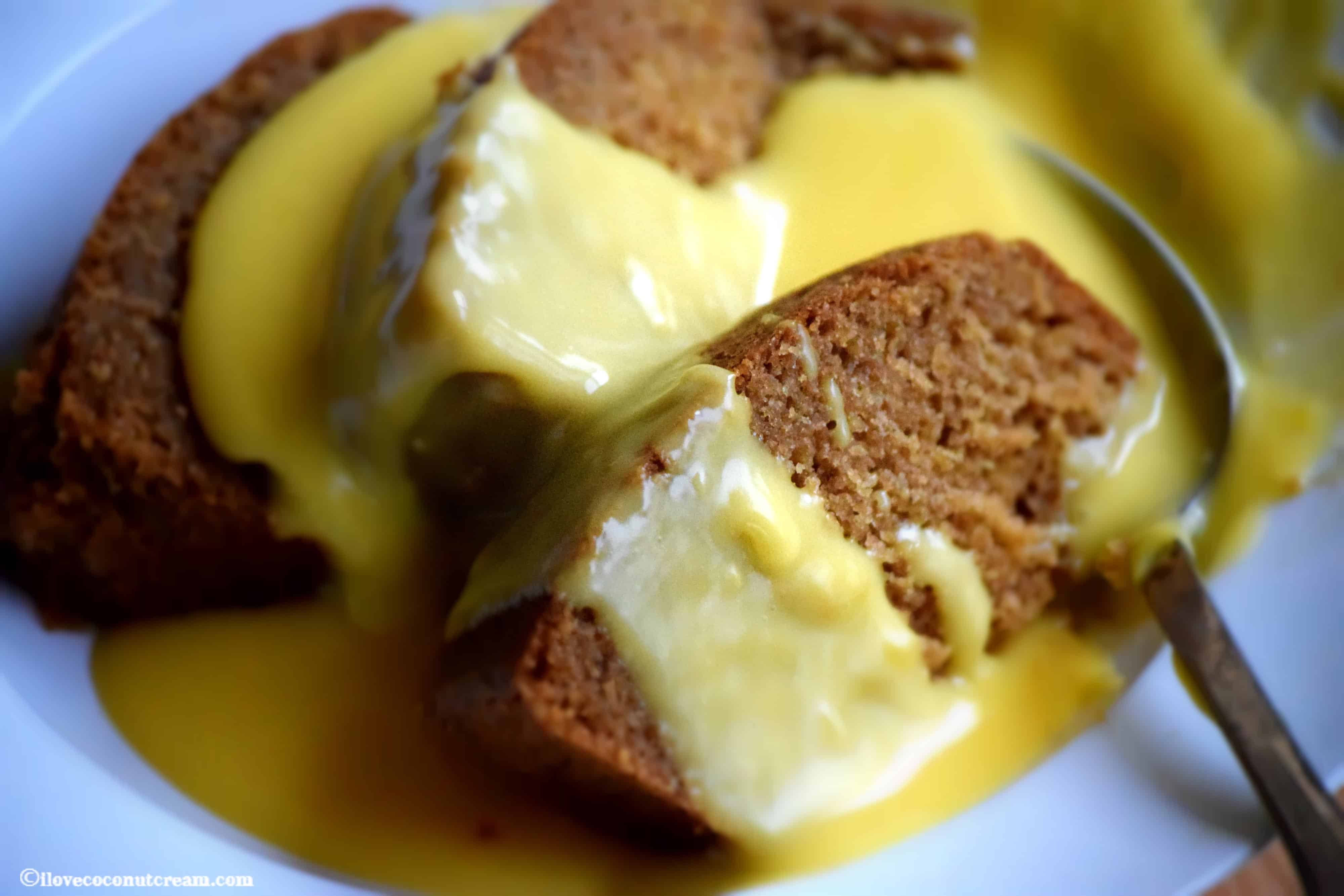
    Purini is a traditional Fiji coconut steam pudding with a soft crumb and a caramel-like sweetness from sugar and banana. This version keeps the classic family-dessert feel while making the method easier to follow at home.

    By Pacific Island Recipe · Updated April 26, 2026

    Purini Recipe (Fijian Coconut Steam Pudding)

    Start here

    Purini is a traditional Fiji coconut steam pudding with a soft crumb and a caramel-like sweetness from sugar and banana. This version keeps the classic family-dessert feel while making the method easier to follow at home.

    Try next:

    Want more Pacific recipes?

    Subscribe for new island dishes, desserts, and weeknight ideas as they publish.

    Get island recipes by email

    New Pacific recipes, island desserts, and practical home-cooking ideas straight to your inbox.

    Ingredients

    • 1 cup sugar
    • 1/2 cup butter
    • 2 eggs
    • 1 cup coconut cream
    • 2 cups self-raising flour
    • 1 teaspoon baking soda
    • 2 ripe bananas, mashed

    Steps

    1. Place the sugar and butter in a saucepan over medium heat and stir until the sugar has melted without burning.
    2. Remove the pan from the heat, whisk in the eggs, then slowly pour in the coconut cream while stirring until smooth.
    3. In a separate bowl, combine the self-raising flour and baking soda.
    4. Pour the wet mixture into the dry ingredients a little at a time and stir until the batter is smooth and similar to pancake batter.
    5. Fold in the mashed ripe bananas.
    6. Grease a steaming basin or pudding tin, pour in the batter, and cover well.
    7. Steam for about 1 1/2 hours, checking the water level as needed.
    8. Cool slightly before slicing and serving warm.

    Nutrition

    This page includes a per-serving nutrition table below the main content so readers can scan calories, macros, and key nutrition details without leaving the recipe.

    Tips And Substitutions

    Helpful tips

    • Pour the coconut cream in slowly so the hot sugar mixture stays smooth.
    • Keep the steamer covered to hold steady heat through the cooking time.
    • The banana should be ripe for the best flavor and moisture.

    Substitutions and variations

    • Brown sugar gives a deeper flavor, while white sugar makes a lighter-tasting pudding.
    • You can steam the batter in smaller tins if you want easier serving portions.
    • A little extra coconut cream on the side is a classic serving touch.

    Serve It With

    These recipes pair naturally with this page and give readers a better path into the rest of the archive.

    FAQ

    What does purini taste like?

    It is soft, sweet, coconut-rich, and slightly caramel-like, with banana adding warmth and moisture.

    Can I make purini without banana?

    Banana is common in many home versions, but you can reduce it if you want a plainer steamed pudding.

    How should I serve purini?

    Serve it warm on its own or with a spoonful of extra coconut cream.

    About This Version

    This page keeps the traditional Fiji steamed pudding profile while cleaning up the method so the batter, steaming time, and serving steps are easier to follow.

    More Fiji Puddings And Coconut Desserts

    Use these hand-picked links to browse the site by ingredient, meal type, and regional cooking style.

    Nutrition Facts (per serving)

    NutrientAmount per Serving
    Calories395 kcal
    Fat17.3 g
    Saturated Fat8.5 g
    Carbohydrates74.9 g
    Protein12 g
    Sodium150.4 mg
    Cholesterol148 mg
  • Baked Cassava Cake Recipe (Tavioka Yaca)

    Baked Cassava Cake Recipe (Tavioka Yaca)

    Fiji Recipe Upgrade

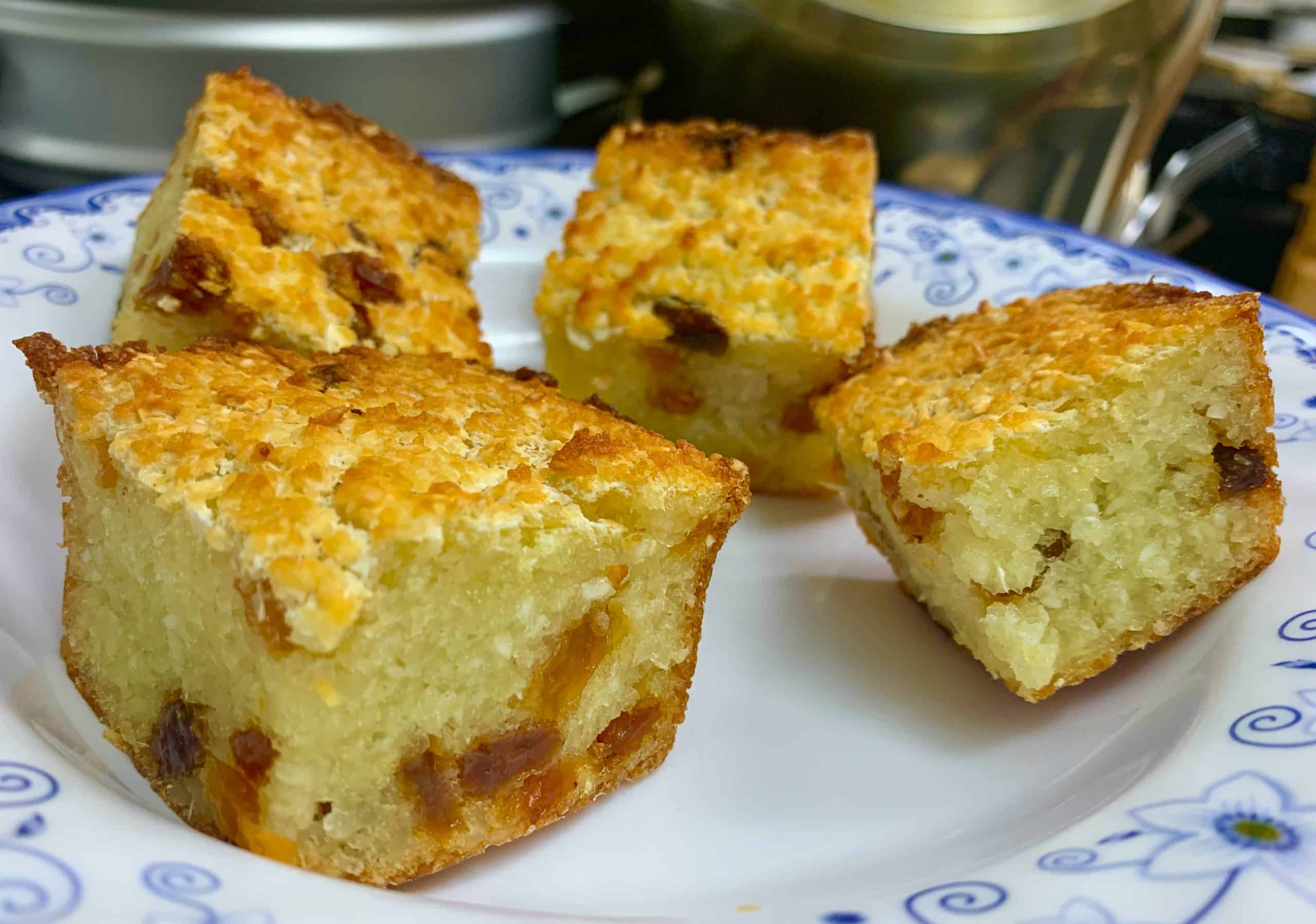
    Baked cassava cake, often known as tavioka yaca, is one of the simplest Fiji-style cassava desserts to put in the oven. The cake slices neatly, travels well, and works for birthdays, tea time, and everyday family baking.

    By Pacific Island Recipe · Updated April 21, 2026

    Baked Cassava Cake Recipe (Tavioka Yaca)

    Start here

    Baked cassava cake, often known as tavioka yaca, is one of the simplest Fiji-style cassava desserts to put in the oven. The cake slices neatly, travels well, and works for birthdays, tea time, and everyday family baking.

    Try next:

    Want more Pacific recipes?

    Subscribe for new island dishes, desserts, and weeknight ideas as they publish.

    Get island recipes by email

    New Pacific recipes, island desserts, and practical home-cooking ideas straight to your inbox.

    Ingredients

    • 4 cups grated cassava
    • 1/2 cup sugar, plus more to taste
    • 2 eggs (optional)
    • 1/3 cup milk
    • 1 teaspoon vanilla (optional)
    • 1/3 cup raisins (optional)

    Steps

    1. Preheat the oven to 350 degrees Fahrenheit and grease a baking tray.
    2. Place the grated cassava in a mixing bowl and add the sugar, eggs if using, milk, and vanilla.
    3. Mix well, then taste a small amount of the batter and add a little more sugar if needed.
    4. Fold in the raisins if you want a sweeter fruit-studded cake.
    5. Spread the batter in the prepared tray and smooth the top.
    6. Bake for about 1 hour, or until the top is lightly golden and the center feels set.
    7. Cool before slicing so the cassava cake firms up properly.

    Nutrition

    This page includes a per-serving nutrition table below the main content so readers can scan calories, macros, and key nutrition details without leaving the recipe.

    Tips And Substitutions

    Helpful tips

    • Grated cassava should be evenly mixed so the cake bakes with a consistent texture.
    • This cake is best sliced after it has cooled down a bit.
    • If the top browns too quickly, cover it loosely for the final part of baking.

    Substitutions and variations

    • Leave out the eggs for a more rustic cassava-forward slice.
    • Raisins are optional but common if you want more sweetness in each bite.
    • A little coconut milk can replace some of the milk for a richer finish.

    Serve It With

    These recipes pair naturally with this page and give readers a better path into the rest of the archive.

    Coconut Custard Pie Recipe

    Make coconut custard pie with a creamy filling, toasted coconut, and a tender pie crust. An easy homemade dessert with classic comfort and simple pant.

    View recipe

    FAQ

    Should cassava cake be served warm or cold?

    Either works. Warm is softer and more pudding-like, while cooled slices hold their shape better.

    Can I freeze baked cassava cake?

    Yes. Slice it first so you can thaw only what you need.

    What is the difference between cassava pudding and cassava cake?

    Cassava pudding is usually softer and more spoonable, while cassava cake bakes into a firmer slice.

    About This Version

    This page keeps the Fiji home-baking version front and center, with optional extras that families commonly add for sweetness and texture.

    More Cassava Cakes And Island Desserts

    Use these hand-picked links to browse the site by ingredient, meal type, and regional cooking style.

    Nutrition Facts (per serving)

    NutrientAmount per Serving
    Calories286 kcal
    Fat6.4 g
    Saturated Fat2.6 g
    Carbohydrates54.2 g
    Protein3.8 g
    Sodium110 mg
    Cholesterol34 mg
  • Pacific Island Food Photo Gallery

    Pacific Island Food Photo Gallery