admin

  • Taro and Bele Hash Cakes Recipe

    Taro and Bele Hash Cakes Recipe

    Taro and Bele Hash Cakes Recipe

    Taro and bele hash cakes add a practical modern island recipe built around staple Pacific ingredients rather than imported convenience foods. It gives the site another way to connect taro and greens in a more everyday format.

    If you enjoy this style of Pacific cooking, you may also want to try bele vakalolo, rourou.

    Ingredients

    • 2 cups cooked taro, mashed
    • 1 cup bele or spinach-like greens, chopped
    • 1/2 onion, finely chopped
    • 1 egg
    • 1/2 cup breadcrumbs
    • 2 tablespoons oil
    • Salt and pepper to taste

    Instructions

    1. Mix the mashed taro with greens, onion, egg, breadcrumbs, salt, and pepper.
    2. Form the mixture into small patties.
    3. Heat the oil in a pan.
    4. Cook the patties until crisp and golden on both sides.
    5. Serve hot.

    Helpful Tips

    • Chill the mixture briefly if it feels too soft to shape.
    • A little breadcrumb coating helps with browning.

    FAQ

    Can another green replace bele?

    Yes, spinach or similar greens work if bele is unavailable.

    Are these a main dish or side?

    They work best as a side or light savory snack.

    Nutrition Facts (per serving)

    NutrientAmount per Serving
    Calories424 kcal
    Fat31 g
    Saturated Fat10.9 g
    Carbohydrates8.6 g
    Protein36 g
    Sodium1487.7 mg
    Cholesterol62 mg
  • Taro Rolls Recipe

    Taro Rolls Recipe

    Taro Rolls Recipe

    Taro rolls give the site a bread recipe tied directly to a Pacific staple crop. They broaden the archive beyond coconut puddings and seafood and give the Hawaii and luau side of the site a stronger baking page.

    If you enjoy this style of Pacific cooking, you may also want to try pani popo rolls, keke isite.

    Ingredients

    • 1 cup mashed cooked taro
    • 3 cups flour
    • 2 tablespoons sugar
    • 2 teaspoons yeast
    • 1 cup warm milk
    • 2 tablespoons butter
    • 1 teaspoon salt

    Instructions

    1. Mix the yeast with warm milk and let it bloom briefly.
    2. Combine the flour, sugar, salt, mashed taro, butter, and yeast mixture to form a dough.
    3. Knead until smooth, then let the dough rise.
    4. Divide into rolls and place in a baking pan.
    5. Bake until puffed and lightly golden.

    Helpful Tips

    • Use smooth mashed taro so the dough stays even.
    • Do not overbake or the rolls will lose their softness.

    FAQ

    Do taro rolls taste strongly of taro?

    They usually have a mild earthy flavor rather than a strong taro taste.

    Can they be served sweet?

    Yes, but they are most often served as a soft side roll.

    Nutrition Facts (per serving)

    NutrientAmount per Serving
    Calories362 kcal
    Fat12.5 g
    Saturated Fat5.1 g
    Carbohydrates50.8 g
    Protein16.5 g
    Sodium590.7 mg
    Cholesterol15.5 mg
  • Miti Hue Recipe

    Miti Hue Recipe

    Miti Hue Recipe

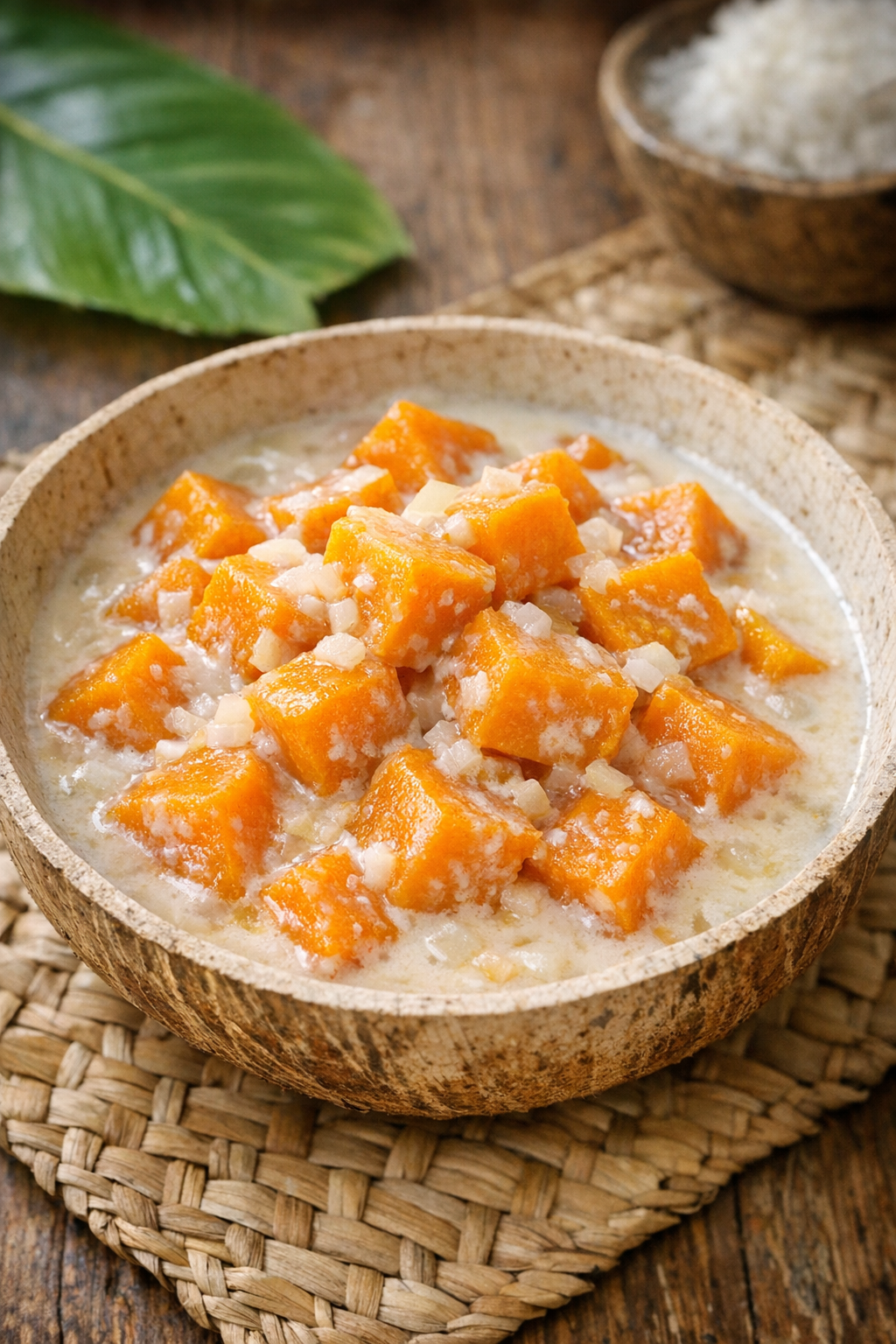
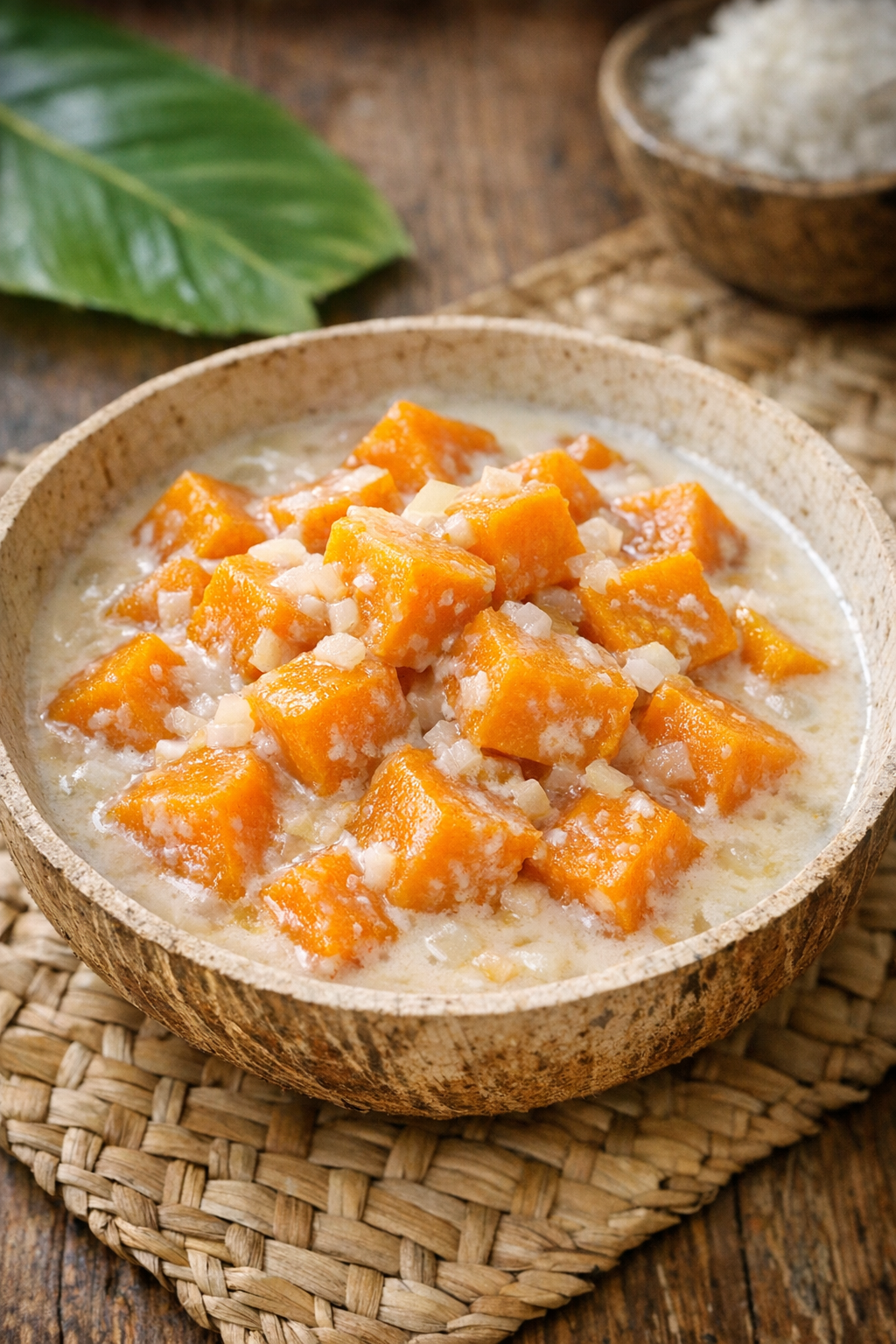
    Miti hue gives the archive a classic Polynesian coconut-and-pumpkin dish under its island name rather than only generic squash pages. It strengthens the Tahitian and broader eastern Polynesian side of the site.

    If you enjoy this style of Pacific cooking, you may also want to try faikai noa, island pumpkin coconut soup.

    Ingredients

    • 3 cups pumpkin, peeled and cubed
    • 1 cup coconut cream
    • 1/2 onion, finely chopped
    • 1 tablespoon butter
    • Salt to taste

    Instructions

    1. Steam or boil the pumpkin until tender.
    2. Warm the onion gently in butter until softened.
    3. Add the cooked pumpkin and coconut cream.
    4. Mash lightly and simmer until rich and creamy.
    5. Season and serve hot.

    Helpful Tips

    • Keep some texture in the pumpkin instead of mashing it completely smooth.
    • Rich coconut cream gives the best finish.

    FAQ

    Is miti hue sweet or savory?

    It leans savory, though the pumpkin brings natural sweetness.

    What do you serve it with?

    It pairs well with grilled fish, roasted meat, or island root crops.

    Nutrition Facts (per serving)

    NutrientAmount per Serving
    Calories0 kcal
    Fat12.5 g
    Saturated Fat10.1 g
    Carbohydrates44.3 g
    Protein12.9 g
    Sodium9723.4 mg
    Cholesterol8.8 mg
  • Te Bua Toro ni Baukin Recipe

    Te Bua Toro ni Baukin Recipe

    Te Bua Toro ni Baukin Recipe

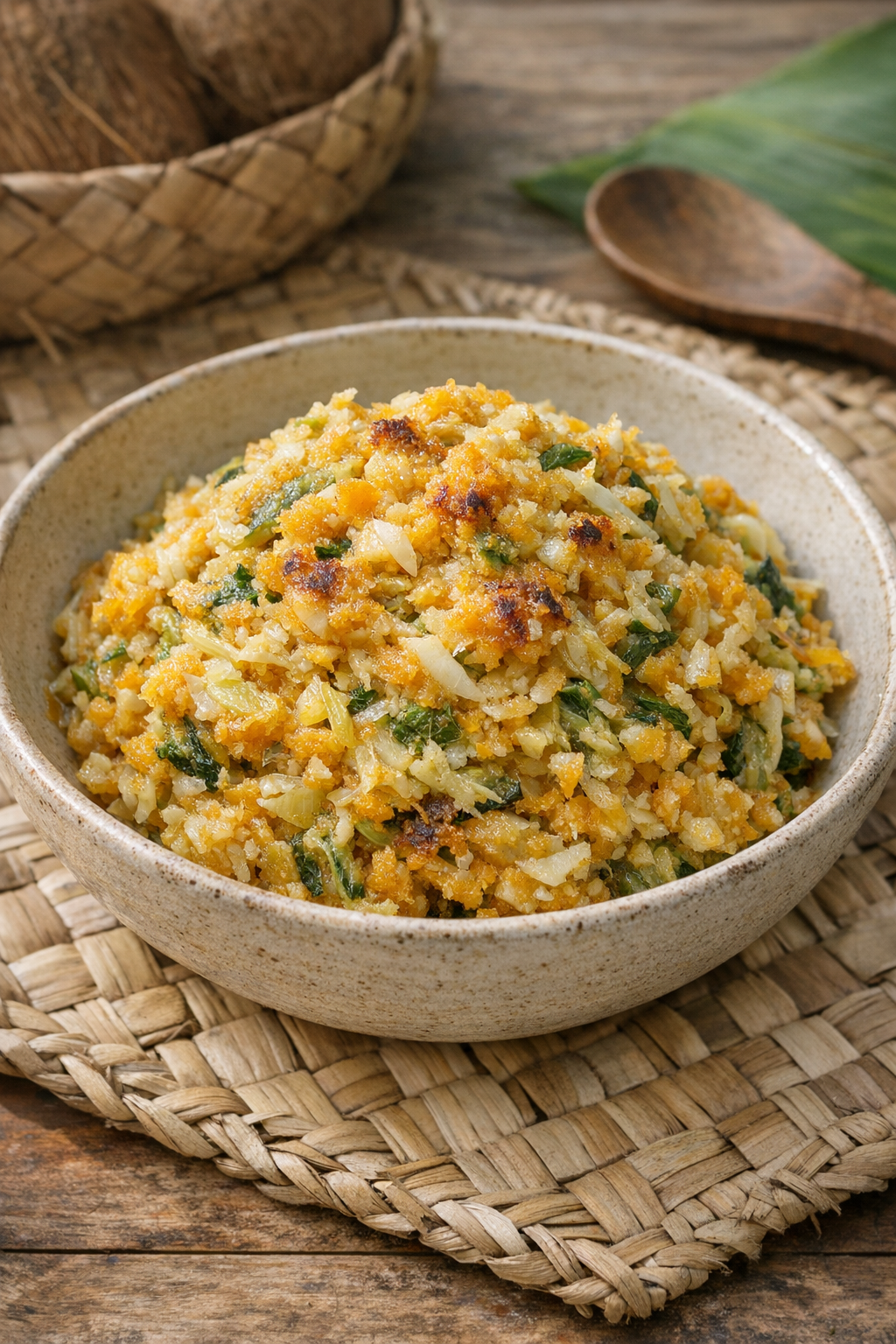
    Te bua toro ni baukin brings a named Kiribati casserole into the archive instead of another generic island bake. It gives the site a stronger Gilbert Islands lane and adds a savory, coconut-forward dish that feels distinct from the Fiji and Samoa clusters.

    If you enjoy this style of Pacific cooking, you may also want to try te bua toro, pulaka coconut.

    Ingredients

    • 2 cups pumpkin or squash, grated
    • 2 cups cabbage, shredded
    • 1 cup flour
    • 1/2 cup coconut milk
    • 1/2 cup corned beef, chopped
    • 1 teaspoon baking powder
    • Salt and pepper to taste

    Instructions

    1. Preheat the oven and grease a baking dish.
    2. Mix the pumpkin, cabbage, flour, coconut milk, corned beef, baking powder, salt, and pepper.
    3. Spread the mixture evenly into the dish.
    4. Bake until set and lightly browned on top.
    5. Cool slightly before slicing and serving.

    Helpful Tips

    • Do not make the mixture too wet or it will struggle to set.
    • A leaf-lined dish can give it a more traditional island feel.

    FAQ

    Is this more like bread or casserole?

    It sits somewhere between a baked island casserole and a dense savory slice.

    Can fresh meat be used instead of corned beef?

    Yes, but corned beef gives a familiar pantry version seen in many island kitchens.

    Nutrition Facts (per serving)

    NutrientAmount per Serving
    Calories210 kcal
    Fat41.5 g
    Saturated Fat5.1 g
    Carbohydrates64.5 g
    Protein34.7 g
    Sodium198.2 mg
    Cholesterol0 mg
  • Kokoda Reef Fish Recipe

    Kokoda Reef Fish Recipe

    Kokoda Reef Fish Recipe

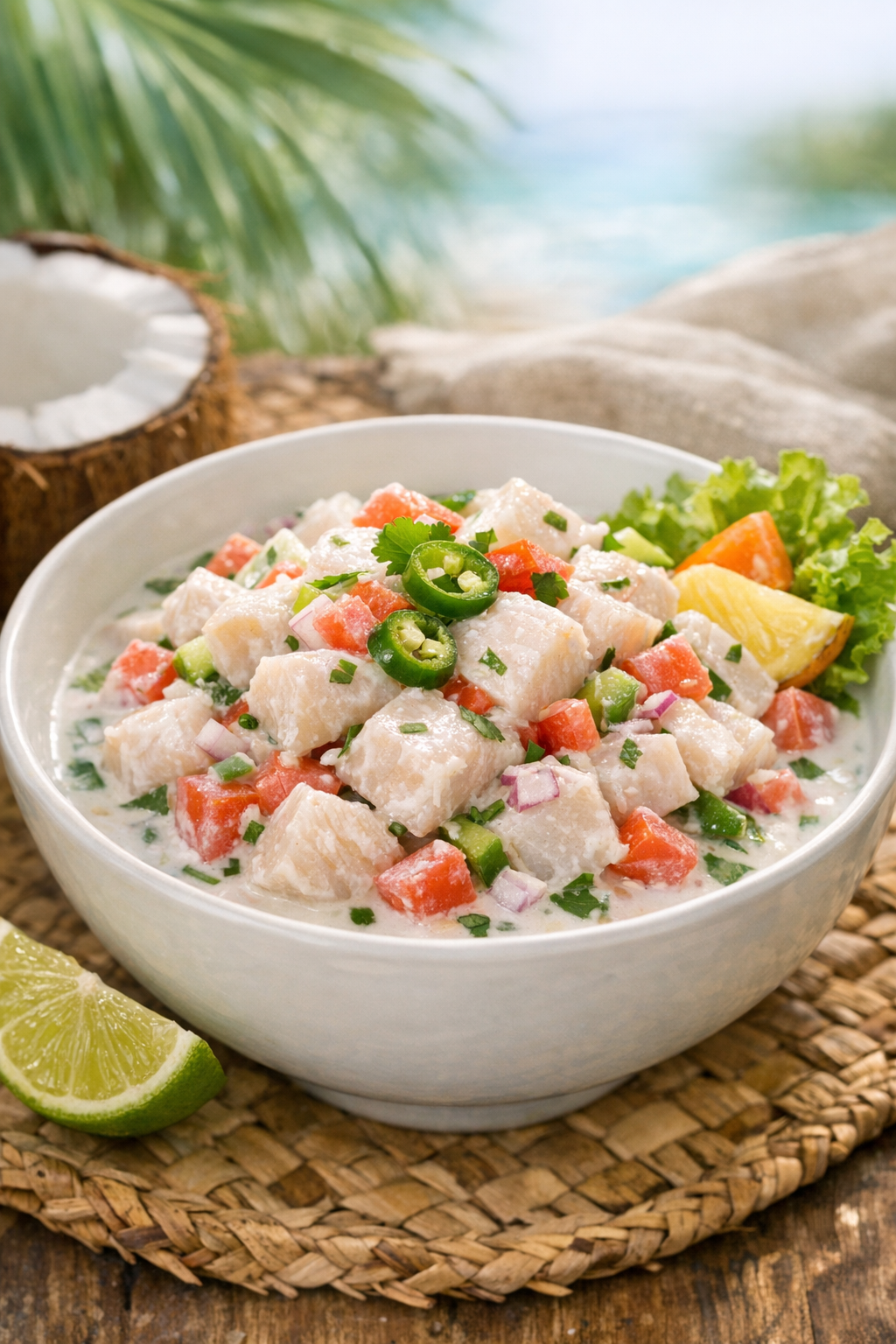
    Kokoda reef fish gives the kokoda cluster another search-friendly variation that is still anchored in real Fiji style. It helps broaden the seafood section while reinforcing one of the site’s strongest island food lanes.

    If you enjoy this style of Pacific cooking, you may also want to try kokoda, kokoda with shrimp.

    Ingredients

    • 1 pound fresh reef fish, diced
    • 3 tablespoons lime juice
    • 1/2 cup coconut cream
    • 1/4 cup tomato, diced
    • 2 tablespoons onion, finely chopped
    • Salt to taste

    Instructions

    1. Toss the fish with lime juice and let it rest briefly.
    2. Drain lightly if needed.
    3. Add coconut cream, tomato, and onion.
    4. Season lightly and mix gently.
    5. Serve chilled.

    Helpful Tips

    • Use very fresh fish for the best texture.
    • Do not leave the fish in lime too long.

    FAQ

    How is this different from other kokoda pages?

    The core idea is the same, but this one emphasizes reef fish specifically and gives another useful variant page.

    Can another firm fish be used?

    Yes, any fresh firm fish can work if reef fish is not available.

    Nutrition Facts (per serving)

    NutrientAmount per Serving
    Calories84 kcal
    Fat5.3 g
    Saturated Fat4.3 g
    Carbohydrates23.6 g
    Protein24.5 g
    Sodium9931.8 mg
    Cholesterol61.2 mg
  • Bele Vakalolo Recipe

    Bele Vakalolo Recipe

    Bele Vakalolo Recipe

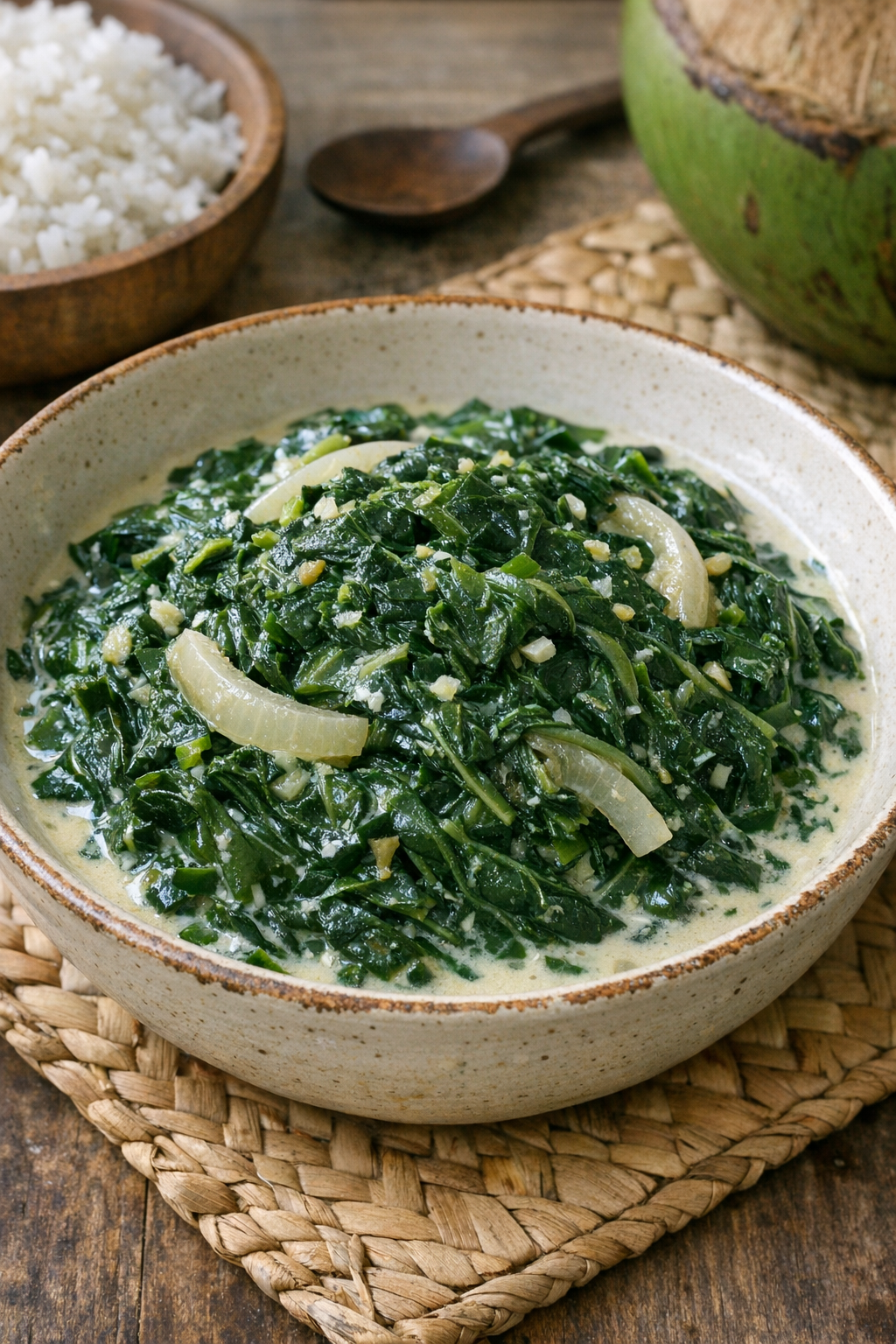
    Bele vakalolo gives the Fiji greens cluster a more specifically named leafy dish rather than another generic coconut greens page. It helps the archive stay useful for people looking for actual island terms and not only ingredient combinations.

    If you enjoy this style of Pacific cooking, you may also want to try rourou, island greens lolo.

    Ingredients

    • 4 cups bele or spinach-like greens, chopped
    • 1 cup coconut milk
    • 1/2 onion, sliced
    • 1 clove garlic, minced
    • Salt to taste

    Instructions

    1. Cook the onion and garlic briefly until softened.
    2. Add the greens and stir until they begin to wilt.
    3. Pour in the coconut milk.
    4. Simmer gently until the greens are tender.
    5. Season lightly and serve hot.

    Helpful Tips

    • Do not cook the greens too hard once the coconut milk is in.
    • Serve this with root crops or rice.

    FAQ

    What is bele?

    Bele refers to a leafy green used in Fiji and other island kitchens.

    Can another green be used?

    Yes, though the closest flavor and texture comes from island-style greens.

    Nutrition Facts (per serving)

    NutrientAmount per Serving
    Calories36 kcal
    Fat9.3 g
    Saturated Fat8.4 g
    Carbohydrates42.4 g
    Protein11.4 g
    Sodium9704.4 mg
    Cholesterol0 mg
  • Ika Vakalolo Recipe

    Ika Vakalolo Recipe

    Ika Vakalolo Recipe

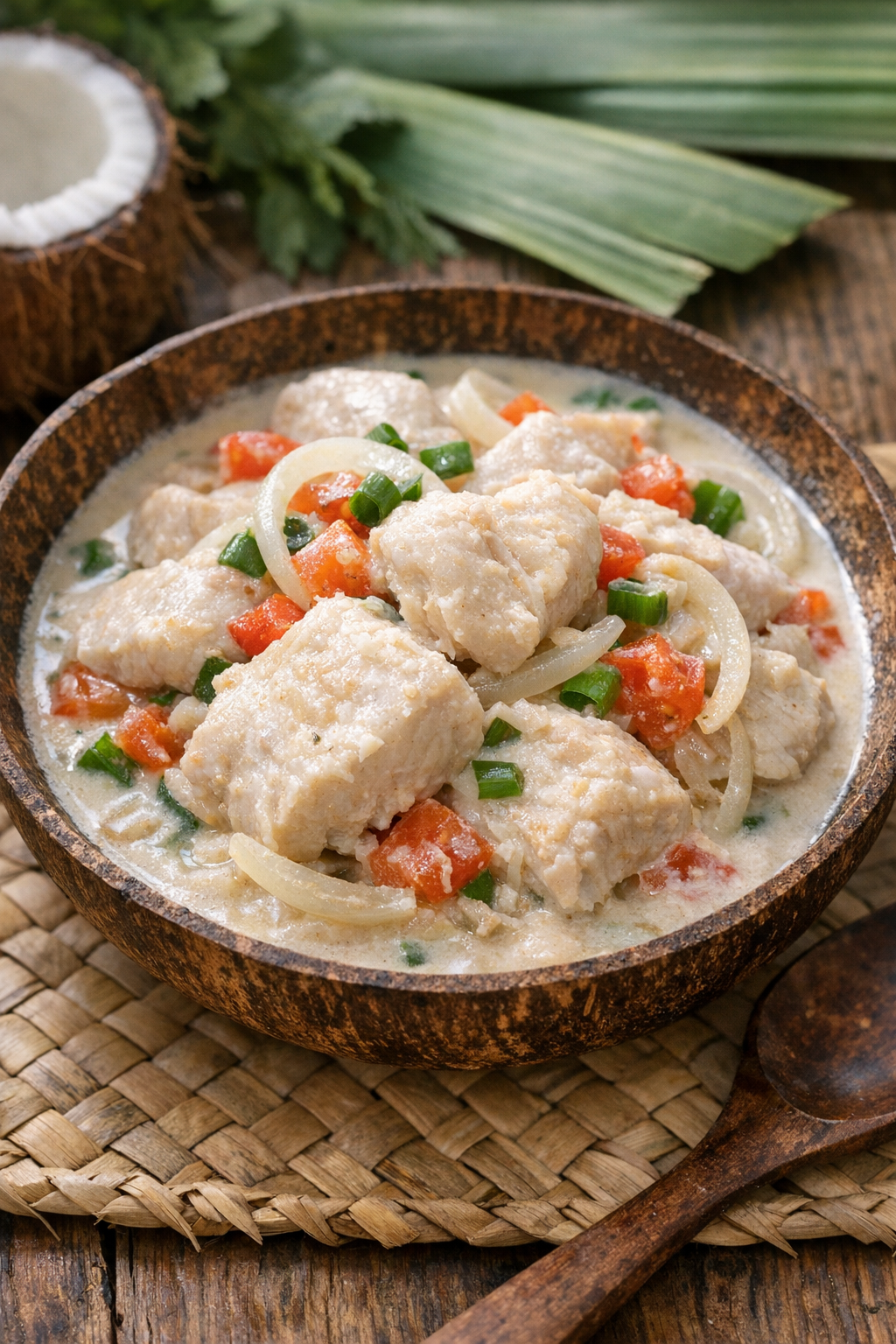
    Ika vakalolo gives the Fiji side of the archive a cleaner coconut fish page under a named island phrase that many Pacific cooks would recognize. It is a good bridge between coconut-rich bakes and the simpler grilled fish pages.

    If you enjoy this style of Pacific cooking, you may also want to try reef fish lolo, reef fish ginger lolo.

    Ingredients

    • 1 pound fish fillets
    • 1 cup coconut cream
    • 1/2 onion, sliced
    • 1 tomato, chopped
    • Salt to taste

    Instructions

    1. Place the fish in a pan or baking dish.
    2. Add the onion and tomato.
    3. Pour over the coconut cream and season lightly.
    4. Cook gently until the fish is tender and the sauce is rich.
    5. Serve hot.

    Helpful Tips

    • Use fish that holds its shape in the sauce.
    • Do not overcook the fish once the coconut cream is added.

    FAQ

    Is this like fish lolo?

    Yes, it is closely related in flavor direction, with coconut cream at the center.

    Can it be baked instead of simmered?

    Yes, baking works well if the dish is covered.

    Nutrition Facts (per serving)

    NutrientAmount per Serving
    Calories84 kcal
    Fat9.8 g
    Saturated Fat8.5 g
    Carbohydrates36.3 g
    Protein28.4 g
    Sodium9945.9 mg
    Cholesterol61.2 mg
  • Pia Niue Recipe

    Pia Niue Recipe

    Pia Niue Recipe

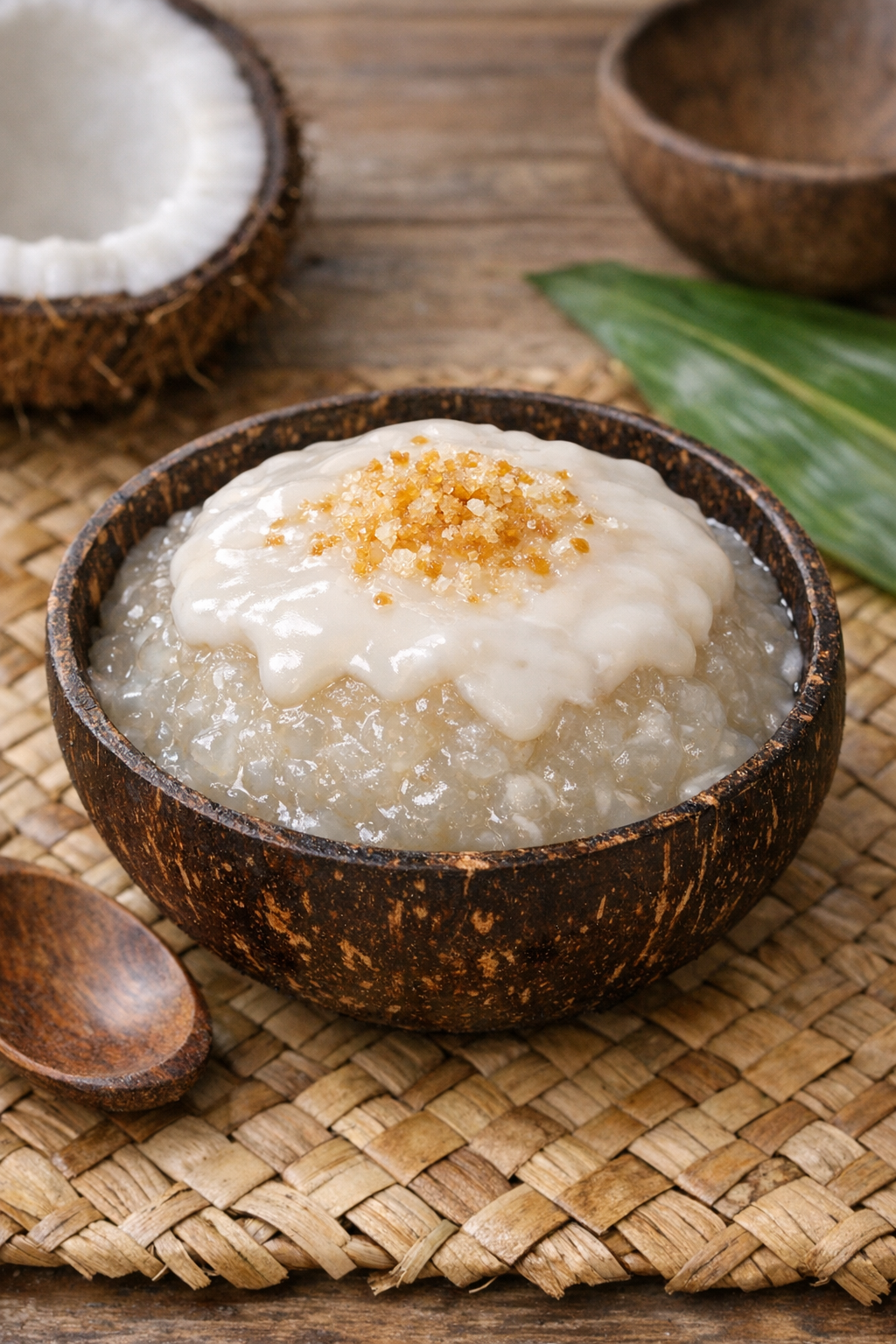
    Pia niue gives the site a Niue dessert page with a clear island name rather than a generic coconut pudding label. That helps the archive become more useful as a Pacific reference site instead of only a recipe list.

    If you enjoy this style of Pacific cooking, you may also want to try tulolo, faikai noa.

    Ingredients

    • 1 cup starch such as tapioca or arrowroot
    • 1 cup coconut cream
    • 1/3 cup sugar
    • 1 cup water
    • 1 pinch salt

    Instructions

    1. Mix the starch with water until smooth.
    2. Warm the coconut cream with sugar and salt.
    3. Stir the starch mixture into the warm coconut cream.
    4. Cook gently until thick and glossy.
    5. Serve warm or chilled.

    Helpful Tips

    • Stir constantly once the mixture starts thickening.
    • Do not let the coconut cream boil too hard.

    FAQ

    Is this close to other island coconut puddings?

    Yes, it lives in the same family of starch-and-coconut desserts, but the local naming matters.

    Can it be served cold?

    Yes, it sets up nicely after chilling.

    Nutrition Facts (per serving)

    NutrientAmount per Serving
    Calories211 kcal
    Fat9.1 g
    Saturated Fat5.7 g
    Carbohydrates58.9 g
    Protein17.3 g
    Sodium6839.3 mg
    Cholesterol14.4 mg
  • Fekei Uhi Recipe

    Fekei Uhi Recipe

    Fekei Uhi Recipe

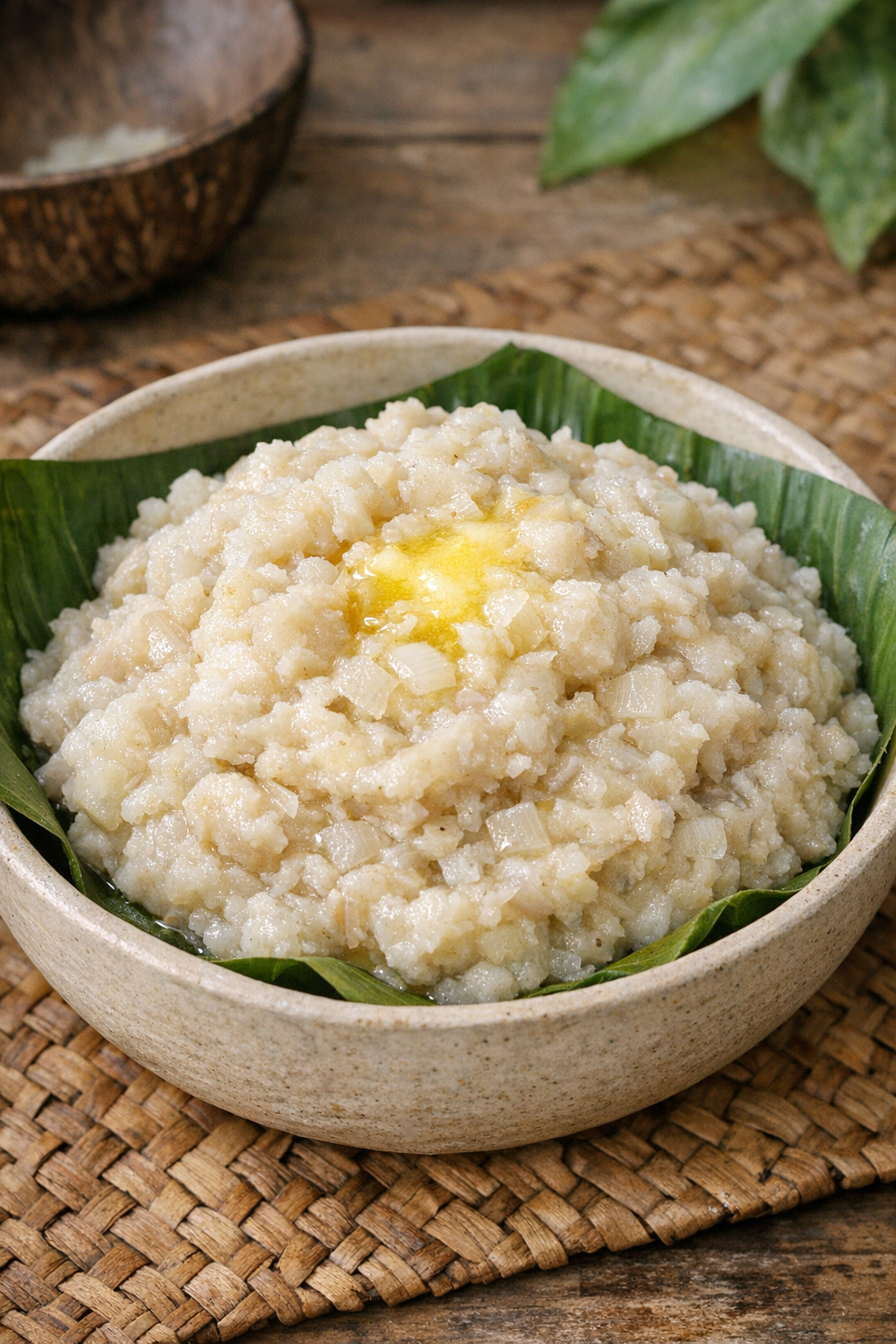
    Fekei uhi gives the archive a Rotuman root-crop dish and helps expand beyond the larger island groups. It adds another coconut-and-yam recipe, but in a named regional form that keeps the archive grounded in actual Pacific diversity.

    If you enjoy this style of Pacific cooking, you may also want to try faiai ufi, yam coconut bake.

    Ingredients

    • 3 cups yam, grated or mashed
    • 1 cup coconut cream
    • 1/2 onion, finely chopped
    • 1 tablespoon butter
    • Salt to taste

    Instructions

    1. Mix the yam with coconut cream, onion, butter, and salt.
    2. Transfer to a greased baking dish or leaf-lined pan.
    3. Smooth the top evenly.
    4. Bake until set and lightly colored.
    5. Serve hot as a rich side dish.

    Helpful Tips

    • Use enough coconut cream to keep the mixture moist but not loose.
    • Let it rest briefly before slicing.

    FAQ

    Is fekei uhi more like pudding or stuffing?

    It sits closer to a dense baked island side dish than a sweet dessert.

    Can taro be used instead of yam?

    Yam keeps it closest to the name and style, though other root crops may be used in related dishes.

    Nutrition Facts (per serving)

    NutrientAmount per Serving
    Calories505 kcal
    Fat41.9 g
    Saturated Fat25.3 g
    Carbohydrates44.4 g
    Protein43.1 g
    Sodium8581.9 mg
    Cholesterol110.3 mg
  • Pahsruhk Fihti Recipe

    Pahsruhk Fihti Recipe

    Pahsruhk Fihti Recipe

    Pahsruhk fihti gives the site a more clearly Micronesian fish page and helps the seafood archive expand into named dishes from places that are often overlooked. It is useful as a straightforward fish preparation rather than another coconut-heavy bowl.

    If you enjoy this style of Pacific cooking, you may also want to try guihan barbecued fish, reef fish ginger lolo.

    Ingredients

    • 1 pound white fish fillets
    • 1 tablespoon oil
    • 1 tablespoon lime juice
    • 1/2 onion, sliced
    • Salt and pepper to taste

    Instructions

    1. Season the fish with lime juice, salt, and pepper.
    2. Warm oil in a pan and cook the onion briefly.
    3. Add the fish and cook until tender and just done.
    4. Turn carefully so the fish stays intact.
    5. Serve hot with island starch or rice.

    Helpful Tips

    • Use firm fish that holds together while cooking.
    • Do not overcook or the fish will dry out.

    FAQ

    Can this be grilled instead of pan cooked?

    Yes, grilling works if the fish is handled carefully.

    What sides go with this?

    Breadfruit, taro, yam, and simple greens all pair well.

    Nutrition Facts (per serving)

    NutrientAmount per Serving
    Calories84 kcal
    Fat0.5 g
    Saturated Fat0.4 g
    Carbohydrates1.2 g
    Protein18.8 g
    Sodium243.2 mg
    Cholesterol61.2 mg