admin

  • Supo Esi Recipe (Samoan Papaya and Coconut Dessert)

    Supo Esi Recipe (Samoan Papaya and Coconut Dessert)

    Supo esi is a Samoan papaya dessert served with coconut cream and gentle sweetness. It is a good addition because it gives the site more fruit-based Pacific dessert coverage instead of leaning too heavily on breads, puddings, and baked sweets alone.

    If you enjoy this style of Pacific cooking, you may also want to try takihi, poe.

    Ingredients

    • 1 ripe papaya, peeled and sliced
    • 3/4 cup coconut cream
    • 2 tablespoons sugar
    • 1/2 teaspoon vanilla extract

    Instructions

    1. Arrange the sliced papaya in serving bowls.
    2. Stir the coconut cream with the sugar and vanilla until smooth.
    3. Spoon the coconut mixture over the papaya.
    4. Serve chilled or at cool room temperature.

    Helpful Tips

    • Use ripe but still firm papaya for the best texture.
    • Chill before serving if you want a cooler dessert.
    • Do not oversweeten; the fruit should still be the main flavor.

    FAQ

    Is supo esi cooked?

    It can be served uncooked when the papaya is ripe and ready to eat.

    Can other fruit be used?

    Papaya is the classic choice, though other tropical fruits can be adapted in similar styles.

    Nutrition Facts (per serving)

    NutrientAmount per Serving
    Serving Size1 bowl (1/4 recipe)
    Calories118 kcal
    Fat7 g
    Saturated Fat6 g
    Carbohydrates15 g
    Protein1 g
    Sodium18 mg
    Cholesterol0 mg
  • Vaisalo Recipe (Samoan Coconut Drink)

    Vaisalo Recipe (Samoan Coconut Drink)

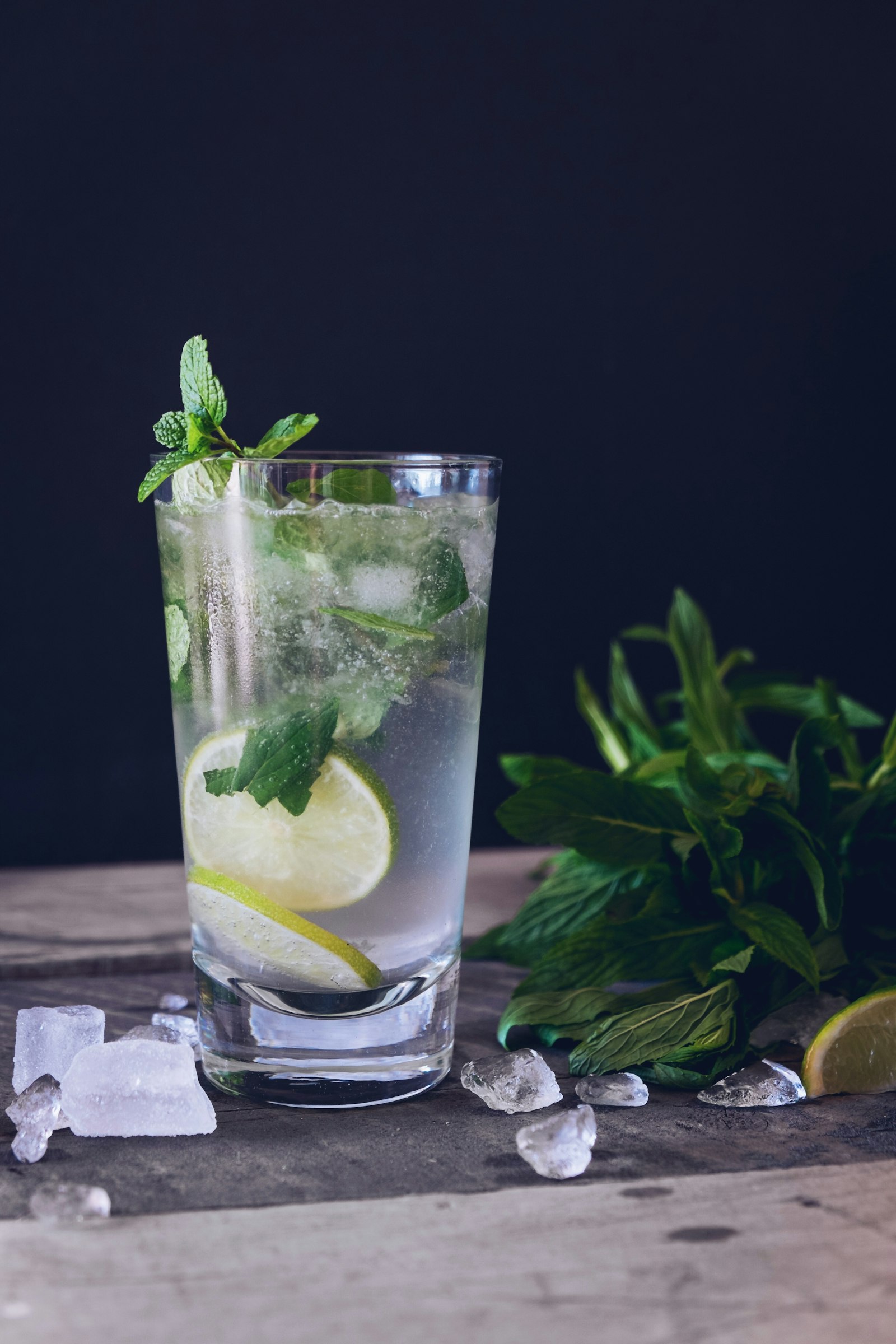
    Vaisalo is a Samoan coconut drink that keeps the ingredient list simple and the result cooling and easy to serve. Beverage pages matter too if the site is meant to become a true one-stop Pacific food reference rather than a narrower meal-only recipe archive.

    If you enjoy this style of Pacific cooking, you may also want to try otai, haupia.

    Ingredients

    • 2 cups coconut milk
    • 2 cups cold water
    • 1/4 cup sugar
    • 1 teaspoon vanilla extract
    • Ice for serving

    Instructions

    1. Whisk the coconut milk, cold water, sugar, and vanilla together until smooth.
    2. Chill the drink until cold.
    3. Serve over ice.

    Helpful Tips

    • Adjust the sugar to taste.
    • Use very cold water for the most refreshing result.
    • Shake or stir before serving if the coconut separates slightly.

    FAQ

    Is vaisalo very sweet?

    It can be lightly sweet or more dessert-like depending on how much sugar is added.

    Can it be made ahead?

    Yes. It can be chilled ahead and stirred before serving.

    Nutrition Facts (per serving)

    NutrientAmount per Serving
    Serving Size1 glass
    Calories150 kcal
    Fat11 g
    Saturated Fat9 g
    Carbohydrates12 g
    Protein1 g
    Sodium18 mg
    Cholesterol0 mg
  • Ulu Hash Browns Recipe (Breadfruit Breakfast Patties)

    Ulu Hash Browns Recipe (Breadfruit Breakfast Patties)

    Ulu hash browns turn breadfruit into a breakfast-style side that feels familiar while still staying grounded in Pacific ingredients. It is a useful page to have on the site because people do look for more everyday ways to use breadfruit than just roasting it whole.

    If you enjoy this style of Pacific cooking, you may also want to try tunu’ulu, how to make a lovo.

    Ingredients

    • 2 cups cooked breadfruit, mashed
    • 1/4 small onion, grated
    • 1 egg
    • 2 tablespoons flour
    • 1/2 teaspoon sea salt
    • 1/4 teaspoon black pepper
    • 2 tablespoons oil for frying

    Instructions

    1. Mix the mashed breadfruit with the onion, egg, flour, salt, and black pepper.
    2. Shape the mixture into small patties.
    3. Heat the oil in a skillet over medium heat.
    4. Cook the patties until browned on both sides and heated through.
    5. Serve hot.

    Helpful Tips

    • Use cooked breadfruit that has cooled slightly so it holds together better.
    • If the mixture is too soft, add a little more flour.
    • Cook over moderate heat so the center warms through before the outside darkens too much.

    FAQ

    Can ulu hash browns be baked?

    Yes, though pan-frying gives the crispest outside.

    What can they be served with?

    They work well with eggs, fish, or simple breakfast sides.

    Nutrition Facts (per serving)

    NutrientAmount per Serving
    Serving Size1 portion (1/4 recipe)
    Calories165 kcal
    Fat8 g
    Saturated Fat1.5 g
    Carbohydrates20 g
    Protein3 g
    Sodium330 mg
    Cholesterol46 mg
  • Pitako Pia Recipe (Niuean Coconut and Arrowroot Biscuits)

    Pitako Pia Recipe (Niuean Coconut and Arrowroot Biscuits)

    Pitako pia are Niuean-style biscuits made with coconut and arrowroot, then baked until crisp and lightly golden. They are the kind of simple pantry bake that helps turn the site into a fuller Pacific food reference instead of only a collection of mains and desserts.

    If you enjoy this style of Pacific cooking, you may also want to try soggy biscuit, keke isite.

    Ingredients

    • 2 cups arrowroot or tapioca starch
    • 1 cup all-purpose flour
    • 1/2 cup sugar
    • 1 cup desiccated coconut
    • 1 teaspoon baking powder
    • 1/2 cup butter, softened
    • 1 egg
    • 2 to 3 tablespoons milk

    Instructions

    1. Heat the oven to 350 degrees Fahrenheit and line a tray with baking paper.
    2. Mix the starch, flour, sugar, coconut, and baking powder in a bowl.
    3. Rub in the butter, then add the egg and enough milk to form a dough.
    4. Roll small pieces into biscuits and place them on the tray.
    5. Bake until lightly golden and crisp at the edges.

    Helpful Tips

    • Do not make the dough too wet or the biscuits can spread too much.
    • Let the biscuits cool fully so they crisp up.
    • Store in an airtight container.

    FAQ

    Are pitako pia soft or crisp?

    They are usually more crisp than soft once cooled.

    What are they served with?

    They work well with tea, coffee, or as a simple snack.

    Nutrition Facts (per serving)

    NutrientAmount per Serving
    Serving Size1 biscuit
    Calories128 kcal
    Fat5 g
    Saturated Fat3 g
    Carbohydrates19 g
    Protein2 g
    Sodium55 mg
    Cholesterol10 mg
  • Kapisi Pulu Recipe (Tongan Cabbage and Corned Beef Parcels)

    Kapisi Pulu Recipe (Tongan Cabbage and Corned Beef Parcels)

    Kapisi pulu is a Tongan dish where cabbage leaves are wrapped around a savory filling, often including corned beef and coconut cream. It fits the site well because it shows another very practical Pacific home-cooking pattern: simple ingredients, wrapped bundles, and rich flavor from pantry staples.

    If you enjoy this style of Pacific cooking, you may also want to try lu pulu, sofesofe.

    Ingredients

    • 8 large cabbage leaves
    • 1 can corned beef
    • 1/2 small onion, diced
    • 1/2 cup coconut cream
    • 1/4 teaspoon black pepper

    Instructions

    1. Blanch the cabbage leaves briefly until they soften enough to fold.
    2. Mix the corned beef with the onion, half of the coconut cream, and black pepper.
    3. Place some filling in each cabbage leaf and fold into parcels.
    4. Set the parcels in a baking dish and spoon the remaining coconut cream over them.
    5. Bake covered until hot and tender, about 25 to 30 minutes.

    Helpful Tips

    • Do not overfill the leaves or the parcels will split.
    • A little coconut cream on top helps keep the parcels moist.
    • Serve hot with rice or root crops.

    FAQ

    Is kapisi pulu very salty?

    It can be, because corned beef is salty, so extra salt is usually unnecessary.

    Can fresh beef be used instead?

    Some versions can, but corned beef is one of the recognizable home-style versions.

    Nutrition Facts (per serving)

    NutrientAmount per Serving
    Serving Size1 parcel (1/4 recipe)
    Calories255 kcal
    Fat19 g
    Saturated Fat10 g
    Carbohydrates7 g
    Protein13 g
    Sodium890 mg
    Cholesterol48 mg
  • Sofesofe Recipe (Tongan Luau and Coconut Soup)

    Sofesofe Recipe (Tongan Luau and Coconut Soup)

    Sofesofe is a Tongan-style dish made with luau leaves and coconut milk, often served as a soup-like side or light meal. It belongs on the site because it highlights the leafy, coconut-rich side of Pacific cooking that many people search for less often but still want to find in one place.

    If you enjoy this style of Pacific cooking, you may also want to try lu sipi, rourou.

    Ingredients

    • 1 pound luau leaves or taro leaves, chopped
    • 1 cup coconut milk
    • 1 cup water or light broth
    • 1/2 small onion, sliced
    • 1/2 teaspoon sea salt
    • 1/4 teaspoon black pepper

    Instructions

    1. Place the chopped leaves, onion, and water in a pot.
    2. Simmer gently until the leaves are very soft and fully cooked.
    3. Add the coconut milk, salt, and black pepper.
    4. Cook gently for a few more minutes without boiling hard.
    5. Serve warm.

    Helpful Tips

    • Taro-family leaves must be fully cooked before serving.
    • Keep the heat moderate once the coconut milk is added.
    • Serve as a side or with rice for a fuller meal.

    FAQ

    Is sofesofe the same as lu pulu?

    No. They are related in ingredients, but sofesofe is more soup-like and less of a wrapped bundle dish.

    Can meat be added?

    Yes. Some versions include meat, but simple leaf-and-coconut versions are also common.

    Nutrition Facts (per serving)

    NutrientAmount per Serving
    Serving Size1 bowl (1/4 recipe)
    Calories175 kcal
    Fat13 g
    Saturated Fat11 g
    Carbohydrates13 g
    Protein3 g
    Sodium300 mg
    Cholesterol0 mg
  • Faiai Fee Recipe (Samoan Octopus in Coconut Cream)

    Faiai Fee Recipe (Samoan Octopus in Coconut Cream)

    Faiai fee is a Samoan octopus dish cooked in coconut cream until rich and savory. It adds useful seafood depth to the site because it reflects a more traditional island cooking style than the lighter chilled fish dishes already in the archive.

    If you enjoy this style of Pacific cooking, you may also want to try kuita vakalolo, poisson cru.

    Ingredients

    • 2 pounds octopus, cleaned and cut into pieces
    • 1 cup coconut cream
    • 1 small onion, sliced
    • 1 clove garlic, minced
    • 1/2 teaspoon sea salt
    • 1/4 teaspoon black pepper

    Instructions

    1. Simmer the octopus in water until it begins to soften.
    2. Drain the octopus and place it in a pot with the onion and garlic.
    3. Add the coconut cream, salt, and black pepper.
    4. Cook gently until the octopus is tender and the sauce has thickened slightly.
    5. Serve hot.

    Helpful Tips

    • Cook the octopus gently so it becomes tender instead of rubbery.
    • Do not boil the coconut cream too aggressively.
    • Serve with rice or root crops.

    FAQ

    What does faiai fee taste like?

    It is rich, savory, and coconut-forward, with tender seafood texture when cooked properly.

    Can frozen octopus be used?

    Yes. Frozen octopus can work well as long as it is thawed and cooked until tender.

    Nutrition Facts (per serving)

    NutrientAmount per Serving
    Serving Size1 portion (1/4 recipe)
    Calories310 kcal
    Fat18 g
    Saturated Fat15 g
    Carbohydrates4 g
    Protein31 g
    Sodium420 mg
    Cholesterol120 mg
  • Olo’Olo Recipe (Samoan Green Banana and Coconut Dish)

    Olo’Olo Recipe (Samoan Green Banana and Coconut Dish)

    Olo’olo is a Samoan dish made from green bananas cooked and served with coconut. It is a good example of the kind of practical Pacific Island food built around staples that are filling, simple, and deeply tied to local ingredients rather than restaurant-style presentation.

    If you enjoy this style of Pacific cooking, you may also want to try vudi vakasoso, tunu’ulu.

    Ingredients

    • 6 green bananas, peeled
    • 1 cup coconut cream
    • 1/2 teaspoon sea salt

    Instructions

    1. Cut the peeled green bananas into large pieces.
    2. Boil or steam them until tender.
    3. Warm the coconut cream gently with the salt.
    4. Serve the cooked bananas with the coconut cream poured over or alongside.

    Helpful Tips

    • Use green bananas rather than ripe sweet bananas.
    • Do not boil the coconut cream hard.
    • Serve warm for the best texture.

    FAQ

    Is olo’olo sweet?

    Not usually. It is a mild, starchy side dish rather than a dessert.

    What can it be served with?

    It works well beside fish, meat, or other island-style mains.

    Nutrition Facts (per serving)

    NutrientAmount per Serving
    Serving Size1 portion (1/4 recipe)
    Calories220 kcal
    Fat12 g
    Saturated Fat10 g
    Carbohydrates31 g
    Protein2 g
    Sodium290 mg
    Cholesterol0 mg
  • Taufolo Recipe (Samoan Coconut Bread Rolls)

    Taufolo Recipe (Samoan Coconut Bread Rolls)

    Taufolo is a Samoan-style bread roll with a soft crumb and a gentle coconut richness. It fits naturally on a Pacific recipe site because it is practical, easy to share, and the kind of bread people actually serve alongside tea, breakfast, or everyday meals.

    If you enjoy this style of Pacific cooking, you may also want to try fa’apapa, panipopo.

    Ingredients

    • 3 cups all-purpose flour
    • 2 teaspoons instant yeast
    • 1/4 cup sugar
    • 1/2 teaspoon salt
    • 3/4 cup warm coconut milk
    • 1/4 cup warm water
    • 2 tablespoons butter, melted

    Instructions

    1. Mix the flour, yeast, sugar, and salt in a large bowl.
    2. Add the warm coconut milk, warm water, and melted butter to form a soft dough.
    3. Knead until smooth and elastic, then let the dough rise until doubled.
    4. Divide the dough into small rolls and place them on a baking tray.
    5. Let the rolls rise again briefly.
    6. Bake at 350 degrees Fahrenheit until lightly golden and cooked through.

    Helpful Tips

    • Use warm liquid, not hot, so the yeast stays active.
    • Do not overbake or the rolls can dry out.
    • Brush lightly with butter after baking if you want a softer finish.

    FAQ

    Are taufolo sweet or plain?

    They are usually only lightly sweet, which makes them flexible for breakfast or a side dish.

    Can they be eaten with savory food?

    Yes. They work well with both sweet and savory meals.

    Nutrition Facts (per serving)

    NutrientAmount per Serving
    Serving Size1 roll
    Calories170 kcal
    Fat4 g
    Saturated Fat2.5 g
    Carbohydrates30 g
    Protein4 g
    Sodium145 mg
    Cholesterol2 mg
  • Poke Recipe (Hawaiian Ahi Poke Bowl Style)

    Poke Recipe (Hawaiian Ahi Poke Bowl Style)

    Poke is one of the best-known Hawaiian fish dishes and a page that people will expect to find on a Pacific Island recipe site. This version keeps the focus on a simple ahi-style preparation with clean seasoning, so it stays closer to the dish itself rather than drifting into a generic modern takeout bowl.

    If you enjoy this style of Pacific cooking, you may also want to try poisson cru, lomi salmon.

    Ingredients

    • 1 pound sashimi-grade tuna, diced
    • 2 tablespoons soy sauce
    • 1 tablespoon sesame oil
    • 2 green onions, sliced
    • 1/4 small onion, sliced thin
    • 1 teaspoon sesame seeds
    • 1/2 teaspoon sea salt
    • 1/4 teaspoon chili flakes optional

    Instructions

    1. Place the diced tuna in a chilled bowl.
    2. Add the soy sauce, sesame oil, green onion, onion, sesame seeds, salt, and chili flakes if using.
    3. Toss gently until the fish is evenly coated.
    4. Chill briefly and serve fresh.

    Helpful Tips

    • Use sashimi-grade fish only.
    • Mix gently so the tuna keeps its shape.
    • Serve soon after mixing for the freshest flavor.

    FAQ

    Is poke always served as a bowl?

    No. The fish itself is the core dish, and it can be served alone or with rice and other toppings.

    Can poke be made with other fish?

    Yes, though ahi tuna is one of the most recognized versions.

    Nutrition Facts (per serving)

    NutrientAmount per Serving
    Serving Size1 portion (1/4 recipe)
    Calories175 kcal
    Fat8 g
    Saturated Fat1.5 g
    Carbohydrates2 g
    Protein23 g
    Sodium640 mg
    Cholesterol38 mg